
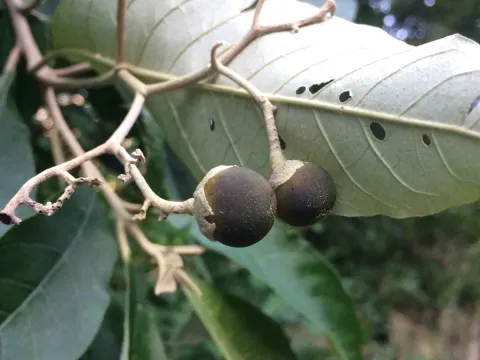
Solanum leucodendron
Solanum leucodendron
Solanum leucodendron is a distinct member of the Solanaceae family, known for its woody growth habit and specific environmental needs. Unlike common garden crops, this plant thrives in conditions that mimic its tropical South American origins.
What the section contains
Solanum leucodendron
The plant requires a stable, warm climate throughout its growth cycle. It is highly sensitive to frost, which makes it unsuitable for outdoor cultivation in temperate zones, necessitating greenhouse or indoor management in such regions.
Soil requirements involve a well-draining substrate that remains consistently moist but never waterlogged. Incorporating organic compost helps maintain the nutrient levels necessary for healthy canopy development.
Proper light management is essential, as the species prefers bright, indirect light. Excessive direct solar radiation can damage the foliage, while low light levels result in stunted growth and leaf drop.
In terms of usage, this plant serves primarily as an ornamental specimen in botanical collections and as a subject for scientific research regarding its metabolic properties within the Solanum genus.
The primary threats to Solanum leucodendron include common greenhouse pests such as aphids and whiteflies, which feed on the sap of tender new leaves.
Fungal pathogens, particularly those causing root rot, are frequent issues if drainage is inadequate. Overwatering is the most common cause of plant decline in domestic and greenhouse settings.
Managing these threats requires a proactive approach, including regular inspection of the underside of leaves for early signs of infestation.
Sanitation is a critical component of pest control. Removing fallen leaves and maintaining clean growing areas helps prevent the buildup of spores and insect larvae.
Integrated pest management, combining physical barriers and biological controls, is the most sustainable method for maintaining a healthy population of these plants.