
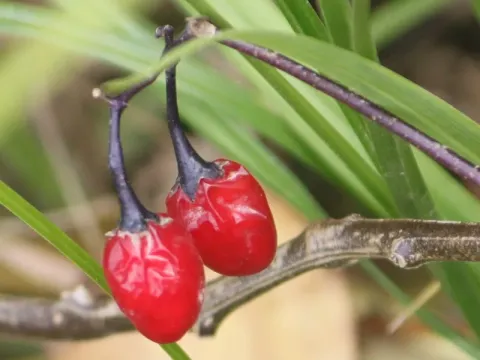
Solanum lyratum
Solanum lyratum
Solanum lyratum, commonly known as the lyrate nightshade, can be propagated through seeds or stem cuttings. For direct seeding in open fields, planting should occur in spring once the soil temperature consistently reaches 15 to 18 degrees Celsius.
What the section contains
Solanum lyratum
Seeds often require cold stratification for several weeks to break dormancy and ensure uniform germination. In temperate zones, the optimal time for sowing usually falls in the middle of April to avoid late frost damage.
When starting with transplants, seeds should be sown in trays filled with a light, well-draining substrate during February or March. This approach provides a head start and ensures stronger plants before the outdoor planting season begins.
The seeds should be planted at a shallow depth of approximately 0.5 to 1 centimeter. Consistent moisture is crucial during the germination phase, as the seeds are light-sensitive and should not be buried too deeply in the soil.
Spacing requirements vary depending on the intended harvest method. For industrial production, a grid pattern with 40 centimeters between plants and 50 centimeters between rows is recommended to allow for adequate airflow and easy maintenance.
Solanum lyratum is a perennial shrub that belongs to the Solanaceae family. Native to East Asian regions, it thrives in environments that mimic its natural habitat, which typically includes hillsides and areas with semi-shade.
The plant requires fertile, well-draining soil with a pH level ranging from neutral to slightly acidic. It is particularly sensitive to waterlogging, so choosing a site with excellent drainage or creating raised beds is highly advised.
This species performs best in locations that receive ample sunlight but are protected from intense, scorching afternoon rays. A steady ambient temperature between 20 and 25 degrees Celsius promotes the most vigorous vegetative growth.
Regular irrigation is necessary to support the plant, especially during the flowering and fruit-setting stages. However, farmers should be cautious to avoid excessive water accumulation, which can lead to root rot and other fungal issues.
Balanced fertilization is beneficial for sustained growth, focusing on nutrients that support both root development and foliage production. Organic amendments applied in the autumn help improve soil structure and enhance winter hardiness.
The primary economic value of Solanum lyratum lies in its aerial parts, which are widely utilized in traditional herbal medicine. Productivity is highest when the plant is well-established, typically in the second or third year of growth.
Multiple harvests per season may be possible under ideal conditions if the plants are pruned properly, allowing for rapid regeneration of new stems. Proper cutting techniques ensure that the root system remains healthy for the next harvest.
The concentration of beneficial bioactive compounds is at its peak during the full bloom phase. Harvesting at this specific time is essential to ensure that the final product meets high pharmacological quality standards.
Soil nutrient management significantly impacts total biomass yield. Providing sufficient levels of potassium and phosphorus is particularly important for plants grown specifically for their medicinal chemical content.
Efficient post-harvest management, including rapid transport and processing, is vital to prevent degradation. Professional drying facilities that control temperature and humidity are essential for maintaining the integrity of the herbs.
Like many plants in the Solanaceae family, Solanum lyratum is susceptible to common diseases such as late blight, early blight, and powdery mildew. High humidity and poor circulation are primary factors that accelerate disease progression.
Pests, particularly the Colorado potato beetle and aphids, pose a significant threat to the foliage. If left unchecked, these insects can cause substantial defoliation and reduce the overall health of the medicinal plant stand.
Root rot caused by soil-borne pathogens can occur if the field remains overly damp for extended periods. Implementing crop rotation cycles is the most effective way to prevent the buildup of these pathogens in the soil.
Integrated Pest Management (IPM) strategies, including the use of biological control agents, are recommended to protect the crop. These methods reduce the reliance on synthetic chemicals and preserve the quality of the raw herbal material.
Good hygiene practices, such as removing debris and weeds around the plants, are crucial for lowering pest populations and disease pressure. A clean cultivation environment is essential for successful, long-term plant management.
Harvesting is ideally performed during dry, sunny weather to ensure the plant material is free of dew or moisture. This minimizes the risk of mold during the initial drying phases of the harvested biomass.
Stems should be cut roughly 10 to 15 centimeters above the ground level. This allows the plant to retain enough energy to recover quickly, providing an opportunity for secondary harvests later in the growing season.
Initial sorting should occur immediately after cutting to remove damaged leaves, weeds, or woody debris. Keeping the harvested material loose helps prevent heating and fermentation, which can compromise the quality of the herbs.
The drying process should take place in a well-ventilated, shaded area or a temperature-controlled drying chamber. Drying at too high a temperature can evaporate essential compounds, while too low a temperature may result in fungal contamination.
Final storage involves placing the thoroughly dried material in light-proof, airtight containers. Maintaining these conditions ensures that the medicinal properties are preserved for up to two years, ready for consumer or industrial use.