
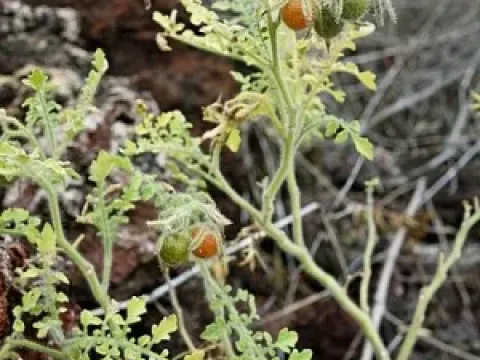
Solanum lycopersicoides
Solanum lycopersicoides
Solanum lycopersicoides is a wild relative of the cultivated tomato, belonging to the Solanaceae family. It is native to the arid, high-altitude regions of Peru and Chile, which has shaped its unique ability to survive in harsh environmental conditions.
What the section contains
Solanum lycopersicoides
Unlike standard tomato cultivars, this species exhibits remarkable cold tolerance and can endure light frost. Its genetic makeup is highly prized by plant breeders looking to incorporate traits for abiotic stress tolerance into commercial tomato varieties.
The plant thrives in well-drained, stony, or sandy soils with a neutral to slightly alkaline pH. It is highly susceptible to root diseases caused by waterlogged soil, necessitating precise irrigation management during the growing cycle.
For research cultivation, Solanum lycopersicoides requires intense sunlight and low ambient humidity. Greenhouse production must include active ventilation systems to mimic its natural high-altitude environment and prevent the accumulation of excess moisture.
The primary economic value of this species lies in its role as a genetic donor. Breeders use it to introduce genes for resistance against specific pathogens, such as the Beet Curly Top Virus (BCTV), as well as cold-weather hardiness, into the domesticated tomato genome.
In its native habitat, this species possesses significant natural resistance to various pests. However, under controlled or greenhouse conditions, it can become susceptible to common pathogens that affect other members of the Solanaceae family.
Root rot, driven by moisture stagnation, represents the most significant threat to plant survival. Growers must prioritize excellent drainage and avoid heavy watering regimes to protect the root system from fungal pathogens.
Spider mites and greenhouse whiteflies are the primary insect pests that can cause damage in artificial environments. Due to the high value of the genetic material, integrated pest management (IPM) strategies are preferred over harsh chemical treatments.
Viral infections transmitted by aphids can compromise the health of the specimens. Effective control involves monitoring surrounding vegetation and ensuring that the plants are kept in a clean environment to prevent vector access.
Maintaining a sterile growing environment is essential for the conservation of this species. Preventive measures include using pasteurized substrates and regular health inspections to identify and isolate any symptomatic plants before pathogens spread.