
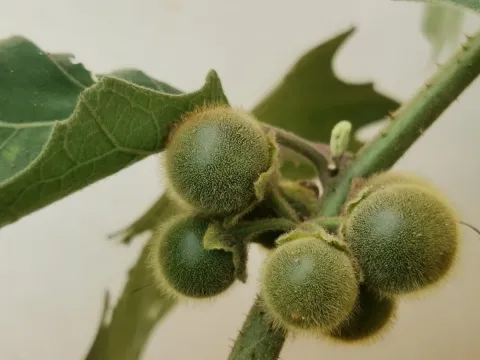
Solanum lasiocarpum
Solanum lasiocarpum
Solanum lasiocarpum is a tropical perennial shrub within the Solanaceae family that is primarily propagated through seeds. Due to its tropical origins, seeds must be started in a temperature-controlled greenhouse environment.
What the section contains
Solanum lasiocarpum
Optimal germination requires consistent temperatures between 25 and 30 degrees Celsius. Using a well-draining, sterile seed-starting mix is critical to prevent damping-off diseases common in high-humidity conditions.
Seeds should be sown at a depth of about 0.5 to 1 centimeter. Providing bottom heat can significantly accelerate the germination process, which typically occurs within two to three weeks of initial sowing.
Once seedlings have developed two sets of true leaves, they should be carefully transplanted into larger individual pots. This spacing prevents overcrowding and encourages the development of a robust root system before final planting.
Acclimatization of young plants to the greenhouse environment should be gradual. Ensure that the plants are hardened off if there is any intention to move them to external growing spaces during warm seasons.
This species thrives in high light conditions but benefits from light shading during the peak of the midday sun. Excessive exposure to direct ultraviolet radiation can lead to leaf scorching in container-grown plants.
Soil requirements involve a rich, slightly acidic to neutral medium with excellent aeration. Incorporation of organic compost is highly recommended to improve water retention while maintaining the necessary drainage.
The plant demands high ambient humidity, ideally between 70% and 80%. In regions with drier climates, frequent misting or the use of ultrasonic humidifiers in the growing area is essential for proper foliage development.
Nutrient management focuses on balanced NPK fertilizers applied during the growing season. A higher concentration of potassium is beneficial during the flowering stage to promote fruit set and enhance berry quality.
Regular maintenance includes pruning dead or overgrown branches to ensure adequate airflow through the canopy. Proper ventilation is the best strategy for managing humidity-related issues in indoor cultivation.
Yield capacity is largely dependent on successful pollination. As the flowers are attractive to bees, natural pollination is preferred; however, manual vibration of the stems can assist in indoor setups.
The fruit is a spherical, hairy berry that changes color from green to vibrant yellow or orange upon maturity. A healthy, mature shrub can yield several kilograms of fruit over a productive season.
The harvest cycle is continuous, with fruits ripening at different times throughout the plant's productive life. This allows for a steady supply of fresh berries for those cultivating the plant for culinary purposes.
Productivity remains stable provided the plant receives consistent moisture and protected temperatures. Sharp fluctuations in ambient conditions will likely lead to premature fruit drop or stunted berry development.
Strategic pruning post-harvest can rejuvenate the shrub and encourage another cycle of flowering. This practice is standard in commercial greenhouse operations to extend the functional lifespan of the plant.
Common pests include greenhouse whiteflies, spider mites, and aphids. These insects tend to thrive in the same warm, humid conditions required by the plant, necessitating regular visual inspections.
Fungal diseases, specifically powdery mildew and late blight, represent the most significant threats. Ensuring optimal spacing between plants is crucial to minimize the spread of fungal spores via stagnant air.
Root rot caused by overwatering is a frequent issue in container culture. Using pots with large drainage holes and avoiding water accumulation in trays are primary preventative measures for root health.
Biological control agents, such as predatory mites, can effectively manage spider mite populations without the need for harsh synthetic chemicals. This approach supports a healthier micro-ecosystem.
Strict sanitation protocols, including the sterilization of tools and the removal of fallen leaves, are vital. Maintaining a clean growing area significantly reduces the environmental load of persistent pathogens.
The harvest period is determined by the color change of the berry and its texture. Ripe fruits are soft to the touch, and the fine hairs on the surface become less abrasive and easier to handle.
Using sharp shears to harvest the fruits helps avoid damaging the delicate fruiting spurs. Care should be taken to ensure that the fruits are not bruised during the collection and sorting process.
Post-harvest, fruits should be stored in cool conditions away from direct sunlight. Because of their thin skin, they have a limited shelf life and should be consumed or processed within a few days.
Culinary applications for the berries include sauces, jams, and inclusion in salsas. Their distinct acidity provides a unique flavor profile that differentiates them from standard tomato or eggplant crops.
For temporary storage, a temperature range of 8–10 degrees Celsius is optimal. Avoid high-humidity storage containers, as this encourages mold growth on the hairy surface of the berries.