
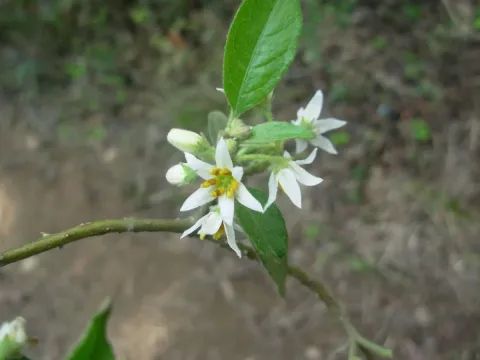
Solanum lanceifolium
Solanum lanceifolium
Solanum lanceifolium is a perennial tropical plant belonging to the Solanaceae family. Originating from the diverse ecosystems of Central and South America, it thrives in warm, humid forest environments, often found in light-filled gaps or along the edges of forest tracks.
What the section contains
Solanum lanceifolium
The plant is highly sensitive to cold and requires a frost-free climate to survive and produce healthy yields. Optimal growth occurs when daytime temperatures remain consistently between 22 and 28 degrees Celsius, mimicking its native tropical conditions.
Cultivation requires well-draining, nutrient-rich soils with a slightly acidic to neutral pH. Providing organic matter, such as compost or well-rotted leaf mold, significantly enhances the vigor and reproductive output of the plants during the growing season.
Proper water management is essential; the plant requires consistent moisture but is highly susceptible to root rot if waterlogged. Implementing a drip irrigation system or careful manual watering schedules ensures that the root zone remains damp but not saturated.
Morphologically, Solanum lanceifolium is characterized by its distinct lance-shaped leaves and protective spines on the stems, which serve as a defense mechanism against herbivores. The fruit is a berry that matures in stages, housing seeds vital for propagation.
The primary pests targeting Solanum lanceifolium include spider mites, which flourish in hot and dry weather conditions. These pests thrive under leaf surfaces and can cause rapid defoliation if left untreated by early intervention measures.
Aphid infestations are a recurrent issue for this species, as they target tender new shoots and suck sap. Their presence often coincides with the spread of viral infections, necessitating strict pest control protocols within the plantation area.
Fungal pathogens, particularly those causing leaf spot and late blight, represent a significant threat in humid environments. Ensuring adequate plant spacing and high airflow levels are critical steps in reducing the incidence of these diseases.
Root system health is vital, and pathogens residing in the soil can compromise growth if soil drainage is inadequate. Standard agricultural practice involves using sterilized media for seedlings to prevent early-stage infection by soil-borne fungi.
Integrated Pest Management (IPM) strategies are strongly recommended for commercial growers. This approach minimizes reliance on chemical sprays by prioritizing beneficial insect habitats and regular field scouting to identify threats before they become outbreaks.