
Solanum juzepczukii
Solanum juzepczukii
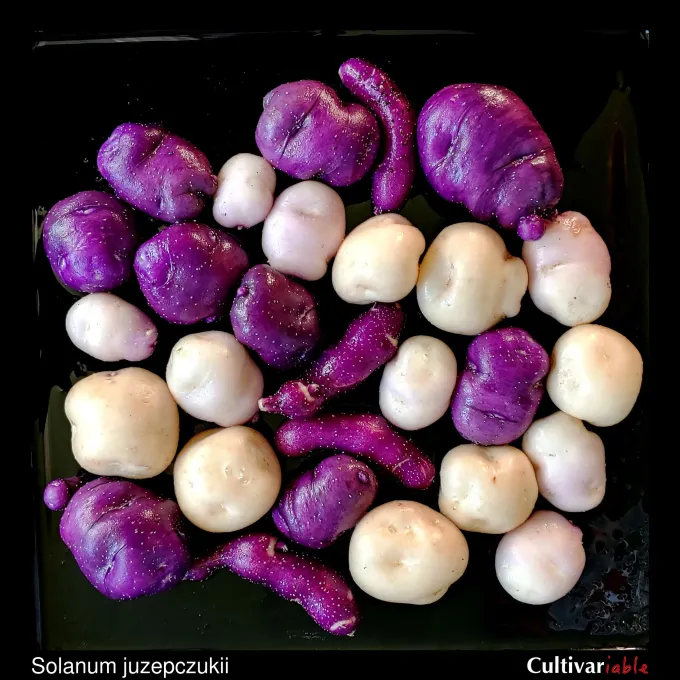
Description
Growing requirements
Solanum juzepczukii is a unique cultivated species of potato belonging to the Solanaceae family, native to the high-altitude regions of the Andes. It is a triploid hybrid known for its exceptional adaptation to harsh mountain environments.
This crop is primarily cultivated in Peru and Bolivia at elevations reaching up to 4000 meters. Its most notable physiological feature is its high frost tolerance, allowing the plant to survive temperature drops that would kill standard potato varieties.
Botanically, the plants are relatively small with dark, compound leaves and tubers that contain high levels of alkaloids. This chemical composition is a natural defense mechanism against pests, though it necessitates specific processing methods to make the tubers edible.
The cultivation requirements focus on light, volcanic soils that provide excellent drainage. The plant thrives in climates with significant diurnal temperature fluctuations and requires specific day-length conditions to trigger the tuberization process effectively.
Economically, this species is essential for producing 'chuño', a freeze-dried potato product. This traditional agricultural technique utilizes the natural night frosts and intense daytime sun of the Andes to dehydrate the tubers, ensuring long-term food security.
Main diseases and pests
The primary agricultural threats to Solanum juzepczukii include late blight (Phytophthora infestans), which thrives in humid conditions. In high-altitude environments, fungal infections are managed primarily through air circulation and resistant variety selection.
Pests such as Andean potato weevils and various nematodes pose a significant risk to yield. Integrated pest management strategies in these remote regions rely heavily on traditional farming knowledge and the preservation of diverse local landraces.