
Solanum juvenale
Solanum juvenale
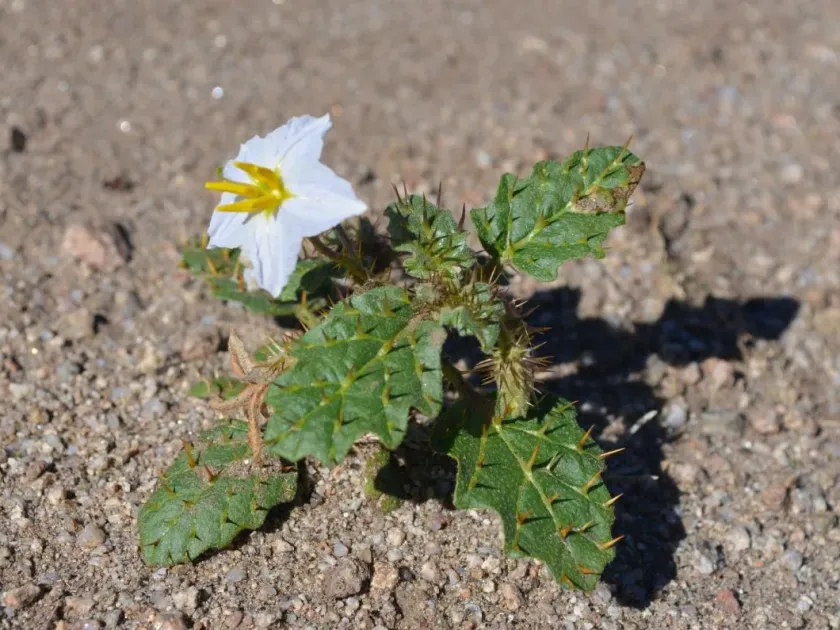
Description
Growing requirements
Solanum juvenale is a perennial herb belonging to the Solanaceae family. As a relative of widely cultivated crops, it attracts attention due to its specific botanical traits and its role in breeding research and genetic studies.
The plant originates from South America, specifically inhabiting areas in Argentina. Its native habitat consists of regions with mild, temperate conditions, often found in mountain forest fringes and well-lit meadows.
In terms of agricultural requirements, the plant thrives in well-drained, sandy loam soils that are rich in organic matter. Soil pH levels should be maintained in the slightly acidic to neutral range (6.0–7.0) for optimal nutrient uptake.
Climate needs involve consistent temperatures, typically between 18°C and 24°C. The species is sensitive to extreme frost, which can cause severe cellular damage to the leaves and stems, significantly hindering growth and development.
Standard agronomic practices for this crop include consistent weed management and careful soil aeration. Mulching is often recommended to retain moisture in the root zone and suppress the growth of competitive weeds in the field.
Main diseases and pests
Like many species in the Solanaceae family, Solanum juvenale is highly susceptible to fungal diseases, including early and late blight. These pathogens thrive in humid environments and can rapidly compromise plant health.
Pests such as the Colorado potato beetle and various aphids present a constant challenge to cultivation. Aphids are particularly problematic due to their role as vectors for plant viruses, which are difficult to eradicate.
Integrated Pest Management (IPM) is the most effective approach for this crop. This involves a combination of mechanical traps, the introduction of natural predators, and the targeted use of biopesticides to manage populations.
Sanitation practices in the field are paramount for disease prevention. This includes the removal and destruction of infected plant debris after the growing season to prevent pathogens from overwintering in the soil.
Crop rotation remains the fundamental strategy for maintaining soil health. It is strongly advised not to plant Solanum juvenale in fields previously occupied by potatoes, tomatoes, or peppers to mitigate the risk of cross-contamination.