
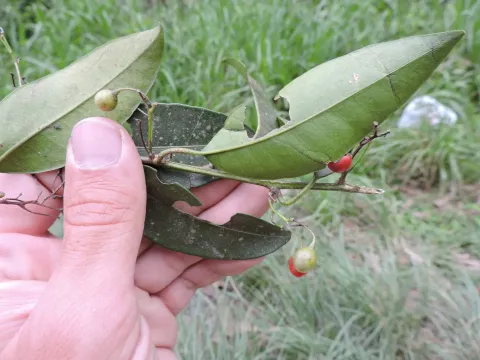
Solanum inodorum
Solanum inodorum
Solanum inodorum belongs to the Solanaceae family and is recognized as a specific botanical entity requiring precise conditions for optimal growth and development.
What the section contains
Solanum inodorum
Sowing should be scheduled during the spring season when the soil temperature consistently reaches favorable levels for seed germination and seedling emergence.
Using indoor trays for starter plants is highly recommended, as it allows for better control over the early growth stages before transplanting into the field.
The seeds should be sown at a depth that ensures moisture stability while allowing enough light for the sprouts to emerge quickly without excessive competition.
Spacing between rows should be carefully managed to ensure maximum air circulation, which is a critical factor for maintaining a healthy and productive crop stand.
This species thrives in sunny, well-lit environments, as exposure to direct sunlight is essential for the plant to reach its full vegetative and reproductive potential.
Soil requirements include a well-drained, nutrient-rich substrate with a balanced pH level, which promotes robust root development and efficient nutrient uptake.
Regular watering is necessary, but it is equally important to avoid waterlogging, which can cause root asphyxiation and create conditions favorable for pathogens.
The plant demonstrates a preference for temperate climates, requiring protection from extreme heat or sudden cold snaps that could disrupt its growth cycle.
Applying balanced fertilizers, particularly those rich in phosphorus and potassium, supports the plant during its critical flowering and fruiting phases.
Maximizing the yield of Solanum inodorum depends on intensive management practices that focus on soil nutrition and the elimination of biotic and abiotic stressors.
Consistent monitoring of plant health, coupled with timely irrigation and nutrient delivery, directly correlates with the quantity and quality of the final harvest.
Effective weed control is a cornerstone of high-yield farming, as weeds often compete with the crop for essential soil resources and sunlight in the early stages.
Implementing proper soil tillage techniques helps to improve aeration and water retention, which are vital for sustained plant vigor throughout the growing season.
Data-driven yield management involves evaluating the crop performance at different stages to make informed decisions regarding fertilization and irrigation schedules.
Common threats to this crop include various fungal infections, such as blight, which spread rapidly under high-humidity conditions and cloudy weather patterns.
Insects like aphids and beetles can cause significant damage to foliage and fruits, making integrated pest management a necessary component of the agricultural process.
Early detection of infestation symptoms allows for targeted interventions, which helps minimize chemical usage and protects the ecological balance of the farmland.
Crop rotation protocols are essential to disrupt the life cycles of soil-borne pests and diseases that can accumulate over several years of continuous cultivation.
- Use of disease-resistant cultivars when available in the regional market.
- Regular inspection of the underside of leaves for early warning signs of pests.
Harvesting should be performed when the crop reaches the appropriate stage of maturity, characterized by specific physiological markers and firmness indicators.
Manual harvesting techniques are encouraged to minimize bruising and damage to the produce, ensuring the highest possible market quality and shelf life.
After collection, it is crucial to handle the crop gently and move it quickly to a controlled, cool storage environment to prevent post-harvest metabolic losses.
Proper sorting and grading based on size and quality allow farmers to categorize the produce for different market segments and maximize overall farm profitability.
Sanitary practices during the harvesting and post-harvest handling stages prevent the spread of contaminants and ensure compliance with food safety standards.