
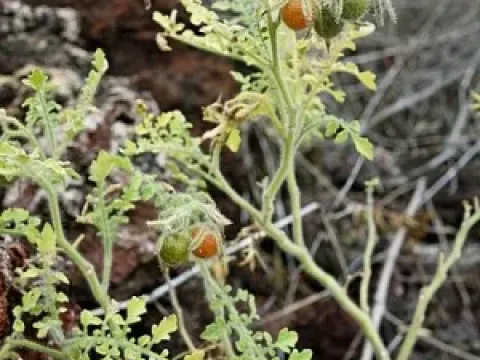
Solanum huaylasense
Solanum huaylasense
Solanum huaylasense is a wild herbaceous species belonging to the Solanaceae family, native to the high-altitude regions of the Huaylas Valley in Peru. It is recognized as a wild relative of the common tomato and is studied extensively for its unique genetic traits.
What the section contains
Solanum huaylasense
This species is naturally adapted to rocky, arid environments where it thrives in well-drained soils. Its botanical features include distinct trichomes (hairs) on the leaves and stems, which aid in water retention and protection against high-altitude UV radiation.
Climatic requirements for this plant are specific: it prefers cool to moderate temperatures and requires high levels of solar irradiance. In an experimental agricultural setting, it is essential to mimic its native arid conditions to maintain plant vigor.
Soil management for Solanum huaylasense requires a porous, low-nutrient substrate that mimics rocky mountain slopes. Over-fertilization and excessive watering must be avoided to prevent root rot and ensure the plant maintains its natural growth habit.
The primary economic and agricultural value of this species lies in its gene pool. Breeders use Solanum huaylasense to introduce drought and salt tolerance into commercial tomato cultivars, helping to create more resilient agricultural systems worldwide.
The plant is generally resilient to pests in its natural habitat, but under greenhouse conditions, it can be susceptible to common Solanaceae pests. Whiteflies, spider mites, and aphids are the most frequently encountered threats that require integrated pest management.
Pathogenic risks include fungal infections like powdery mildew, which thrive if air circulation is poor. Proper spacing and strict humidity control are the most effective preventive measures against these threats for this wild botanical specimen.