
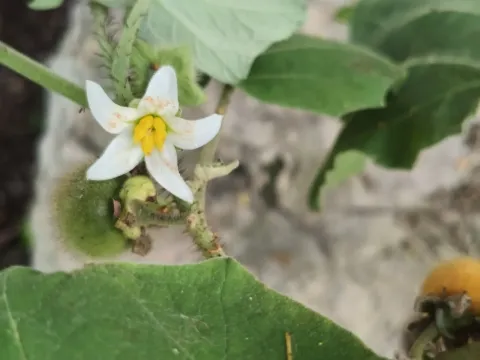
Solanum hirtum
Solanum hirtum
Solanum hirtum is a tropical member of the Solanaceae family, requiring warm conditions to initiate germination. In temperate regions, it must be started indoors as seedlings.
What the section contains
Solanum hirtum
Sow seeds in a high-quality, sterile seed-starting mix about 8–10 weeks before the last expected frost. Maintain a constant temperature between 25 °C and 28 °C to ensure uniform sprouting.
Keep the soil moist but not waterlogged during the germination period. Once seedlings emerge, provide ample natural light or use artificial grow lights to prevent legginess.
Prick out seedlings into individual pots when the first set of true leaves develops. This practice encourages robust root development, which is essential for transplant success.
Acclimatize young plants to the outdoors gradually over a period of 10–14 days. This hardening-off process prepares them for the environmental changes they will face after transplanting.
This crop thrives in full sun, requiring at least 6–8 hours of direct sunlight daily to produce healthy foliage and fruit. Shady conditions will significantly hinder yield potential.
The soil should be fertile, well-draining, and rich in organic matter. A soil pH ranging between 6.0 and 7.0 is optimal for nutrient uptake and overall plant vigor.
Consistent moisture is necessary, particularly during the flowering and fruit-setting stages. Avoid allowing the soil to dry out completely, as this can cause flower drop.
Solanum hirtum is sensitive to cold temperatures and will suffer damage if exposed to light frosts. It is strictly a warm-weather crop that demands protection from chilly winds.
Regular mulching can help maintain soil moisture and suppress weeds around the base of the plant. However, ensure the mulch does not directly touch the main stem to avoid rot.
The primary threats include common Solanaceae pests like aphids, spider mites, and whiteflies. Early detection is vital for effective management of these insect populations.
Fungal issues, such as early blight and root rot, are significant risks, especially in humid or poorly ventilated environments. Proper spacing between plants is critical.
Practice crop rotation consistently to break the lifecycle of soil-borne pathogens. Avoid planting Solanum hirtum in beds that previously housed peppers, tomatoes, or eggplants.
Remove any symptomatic leaves or infected plants immediately to prevent the spread of disease. Sanitation is a cornerstone of a healthy and productive garden plot.
Utilize integrated pest management strategies, combining cultural practices with biological controls. This approach minimizes reliance on chemical sprays and promotes biodiversity.
Harvesting should be timed to when the fruits reach full maturity. The visual change in skin color is the most reliable indicator that the fruit is ready for picking.
Be aware that some forms of this species possess spines on the stems. Using appropriate protective gear, such as heavy-duty gardening gloves, is recommended during harvesting.
Pick fruits carefully to avoid bruising. Any fruit that falls to the ground should be inspected and typically discarded, as it may be contaminated by soil pathogens.
Store harvested fruits in a cool, well-ventilated area to maintain their quality for as long as possible. High temperatures after harvest will accelerate the ripening and decay process.
Proper sorting post-harvest allows for better inventory management. Keep healthy, undamaged fruits separate from those that show signs of pest damage or surface blemishes.