
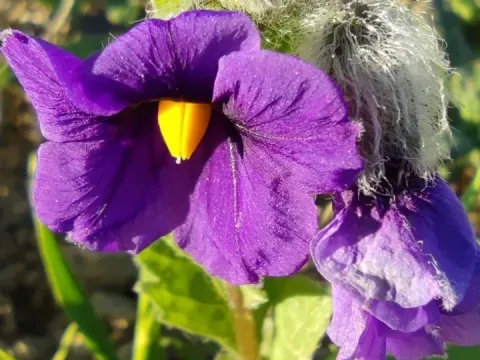
Solanum herculeum
Solanum herculeum
The sowing period for Solanum herculeum is determined by its classification as a thermophilic plant belonging to the Solanaceae family. In temperate climates, seeds are started indoors in late winter to ensure the crop has a sufficient growing season before outdoor temperatures drop.
What the section contains
Solanum herculeum
Germination requires consistent warmth, typically between 22 and 25 degrees Celsius, to ensure uniformity. Using high-quality substrate and proper pre-treatment of seeds significantly increases the emergence rate and seedling vigor.
Transplanting into the field is carried out only after the danger of frost has passed and soil temperatures have reached at least 15 degrees Celsius. This timing is critical to prevent transplant shock and stunting of the young plants.
Under greenhouse conditions, sowing can be scheduled earlier, allowing for a better utilization of natural light. It is essential to maintain proper spacing during the initial growth phase to avoid overcrowding and etiolation.
The planting pattern should be optimized to facilitate airflow and sunlight penetration to the lower foliage. A distance of 50 to 60 centimeters between plants is recommended to promote healthier growth and easier management.
This crop thrives in fertile, well-drained loamy soils that are rich in organic matter. A neutral pH level is necessary for efficient nutrient uptake, which directly impacts the plant's overall development and robustness.
Abundant sunlight is a primary requirement; the plants must be situated in an open, bright location throughout the day. Shade negatively affects the metabolic rate and leads to significantly reduced fruit sets.
Irrigation must be managed carefully, as the species is sensitive to both waterlogging and drought. Drip irrigation systems are highly recommended to keep the root zone consistently moist without causing saturation.
The ideal temperature for vegetative growth is between 20 and 28 degrees Celsius. Extreme deviations from this range, especially cold nights, can impair the physiological processes and trigger stress-related disease susceptibility.
Fertilization regimes should be divided based on the plant's development stages. Nitrogen application is essential early on, while phosphorus and potassium are vital during the flowering and fruit-setting phases to ensure quality.
The yield of Solanum herculeum is highly dependent on effective agrotechnical management and the environmental conditions provided during the season. Proper care allows for consistent and reliable fruit production.
Pruning excess lateral branches is a standard practice that helps redistribute resources to the main fruiting branches. This technique enhances fruit size and improves the general ventilation within the canopy.
Regular harvesting of mature fruits is necessary to signal the plant to continue producing new blossoms. If mature fruits are left on the plant too long, the overall productivity during the season can decline.
Mulching the soil around the plants is an effective method to maintain moisture levels and prevent soil temperature fluctuations. This contributes to better root development and, consequently, higher total biomass.
Potential yields are maximized when the crop is shielded from extreme weather conditions, such as high winds or sudden cold fronts, which can cause flower drop and damage to developing fruit.
The crop is vulnerable to common Solanaceae diseases, with late blight being the most significant threat under high-humidity conditions. Preventive measures such as crop rotation and spacing are crucial for disease mitigation.
Bacterial wilt may affect plants during hot, humid spells, leading to rapid decline. Maintaining high standards of field hygiene and removing infected plants immediately can prevent the spread of the pathogen.
The Colorado potato beetle is a primary pest that requires constant vigilance. Regular field scouting and manual removal of larvae are effective strategies for early management of this destructive insect.
Spider mites often thrive in hot and dry weather, causing significant damage to the leaf tissue. Integrated pest management using bio-pesticides or acaricides is recommended when populations cross the economic threshold.
Aphids can cause direct damage through sap-feeding and serve as vectors for various viral diseases. Timely monitoring and the use of targeted insecticides can effectively keep populations under control.
Harvesting should be conducted as soon as the fruits reach technical maturity to ensure the best balance between quality and storage life. The color and texture of the fruits are primary indicators for harvest readiness.
It is best to harvest during dry weather to minimize the risk of post-harvest diseases, especially fungal growth. Careful handling is required to avoid bruising, as any damage reduces the shelf life of the produce.
Grading of the harvest should happen immediately in the field to separate produce meant for quick market access from that destined for storage. Cleanliness is paramount to prevent contaminants from spoiling the batch.
Fruits should be stored in well-ventilated areas at a cool, stable temperature to preserve their freshness. Avoiding direct light and extreme temperature changes is critical to maintain post-harvest quality.
Before the arrival of early autumn frosts, remaining fruits should be picked for ripening indoors. This prevents crop loss and maximizes the total yield potential of the agricultural project.