
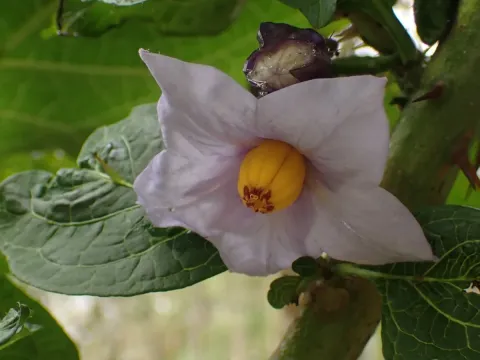
Solanum hexandrum
Solanum hexandrum
Solanum hexandrum is a distinct species belonging to the Solanaceae family. Originating from the tropical zones of South America, it occupies specific niches in warm and humid ecosystems.
What the section contains
Solanum hexandrum
The plant demands high heat and consistent warmth throughout its growing season. It is strictly intolerant to frost and requires greenhouse conditions when cultivated in temperate climate zones.
Soil requirements involve well-drained, nutrient-rich substrates with a slightly acidic to neutral pH. Adequate aeration of the root system is essential to prevent physiological disorders and root rot.
Watering regimes should be frequent but controlled, ensuring the soil remains moist without becoming waterlogged. During periods of active growth, the plant benefits from supplementary feeding with balanced NPK fertilizers.
Sunlight exposure is a major driver of biomass accumulation. In regions with intense solar radiation, light shading is recommended to prevent scorching of the leaves and ensure balanced development.
The primary diseases affecting this crop include late blight, early blight, and various viral infections that result in systemic necrosis. Proper hygiene and early diagnostic procedures are vital for successful management.
Pests such as the Colorado potato beetle, aphids, and spider mites represent significant threats. These insects not only damage plant tissues but also facilitate the transmission of viral diseases.
Integrated pest management (IPM) strategies, including the use of pheromone traps, biological control agents, and limited chemical interventions, are the standard approach for this crop.
Crop rotation is a fundamental technique for reducing the population of soil-borne pathogens. Planting non-solanaceous crops for at least three years in the same plot is highly recommended.
Monitoring environmental factors such as relative humidity and air circulation inside greenhouse facilities helps in maintaining a microclimate that is unfavorable for fungal sporulation.