
Solanum hasslerianum
Solanum hasslerianum
Description
Sowing dates
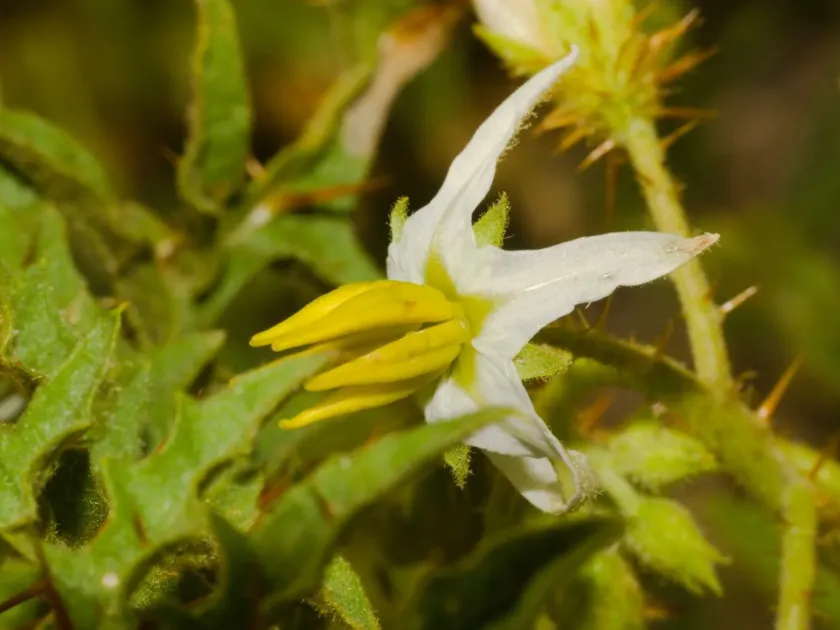
Solanum hasslerianum is a notable member of the Solanaceae family, originating from South American landscapes, which is gaining interest for its specific botanical characteristics.
Sowing should be initiated under controlled greenhouse conditions, utilizing high-quality seed trays with a sterilized peat-based growing medium to ensure uniform germination.
The seeds require a warm environment, ideally between 22°C and 25°C, and a consistent level of moisture to break dormancy and support healthy seedling development.
After reaching the stage of true leaves, seedlings should undergo a hardening-off process, gradually introducing them to outdoor conditions over a period of 7–10 days.
Proper spacing is crucial; plants should be positioned to allow adequate airflow, which is a fundamental aspect of successful Solanaceae agronomy.
Growing requirements
This crop thrives in full sun exposure and requires a minimum of six to eight hours of direct light daily to maintain robust growth and structural integrity.
The soil structure must be well-drained and friable, with high organic matter content, as poor drainage is the primary cause of root failure in this species.
Temperature management is vital; the plant performs best in a warm climate, ideally avoiding temperatures below 10°C, which can cause significant physiological stress.
Nutrient management involves applying balanced NPK fertilizers during the vegetative stage, followed by an increase in potassium to support reproductive development.
Watering schedules should be adjusted based on evapotranspiration rates; avoid waterlogging at all costs, as the plant prefers consistently moist but not saturated soil.
Main diseases and pests
The primary threats include common Solanaceae pests, most notably aphids and various leaf-feeding beetles, which can cause rapid defoliation if left unchecked.
Fungal pathogens such as late blight are a persistent concern; therefore, preventative applications of fungicides are recommended in humid, high-risk growing seasons.
- Monitor for signs of spider mites, especially in arid conditions.
- Implement trap crops to divert pest attention away from the primary stands.
- Ensure proper sanitation by removing debris at the end of the season.
- Regularly inspect the undersides of leaves for early stages of infestation.
- Apply biological controls such as predatory mites to manage pest populations sustainably.
Integrated Pest Management (IPM) practices should be the cornerstone of the cultivation strategy to ensure yields are both productive and environmentally responsible.