
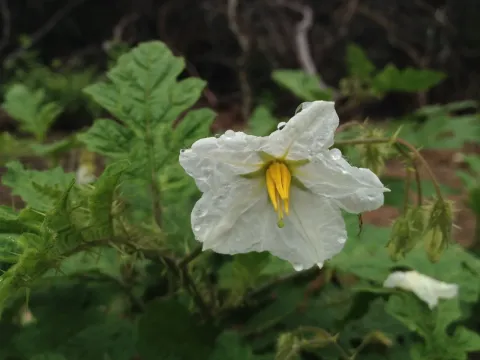
Solanum hieronymi
Solanum hieronymi
Sowing Solanum hieronymi is typically conducted in the spring season when soil temperatures remain consistently above 15 degrees Celsius. Early planning for local frost dates is essential for a successful establishment.
What the section contains
Solanum hieronymi
Seeds should be sown in prepared, fine-textured soil at a depth of approximately 1 to 2 centimeters. Ensuring uniform moisture levels during the germination phase is critical for achieving high field emergence rates.
In regions with shorter growing seasons, starting seeds indoors 6 to 8 weeks before the last frost date is highly recommended. This practice provides the young plants with a head start for vigorous growth.
The spacing between rows should be maintained at 60–75 centimeters to allow for optimal canopy expansion and light penetration. Proper spacing also facilitates mechanical weed control and routine cultural practices.
Hardening off the seedlings is a vital step before field transplantation to increase the plant's resistance to environmental stress. This involves gradually exposing young plants to outdoor conditions over a week.
As a member of the Solanaceae family, this species requires a location with full sun exposure for at least 6 to 8 hours daily. Adequate sunlight is necessary for the production of healthy fruit and biomass.
The soil should be fertile, well-draining, and rich in organic matter to support the plant's development. A pH level between 6.0 and 7.0 is ideal for maximizing nutrient availability for the root system.
Consistent irrigation management is needed to maintain soil moisture without inducing waterlogging. Drip irrigation systems are highly effective for maintaining optimal conditions while preventing leaf diseases.
Balanced fertilization programs, focusing on nitrogen during early stages and phosphorus-potassium during flowering, contribute to higher yields. Soil testing should be performed annually to guide nutrient application.
The crop thrives in temperate to warm climates, ideally with daytime temperatures ranging from 20 to 25 degrees Celsius. Extreme temperatures can affect pollen viability and lead to poor fruit setting.
Common pests include the Colorado potato beetle, aphids, and whiteflies, which can significantly damage plant tissue. Integrated pest management strategies, including biological control, are recommended for long-term health.
Fungal diseases like blight and powdery mildew represent major threats, especially in humid or poorly ventilated conditions. Regular scouting for early symptoms of chlorosis or spotting is essential.
Viral infections transmitted by sap-sucking insects can cause severe stunting and leaf distortion. Implementing strict hygiene practices, such as removing infected debris, helps limit the spread of viral pathogens.
Root rot caused by fungal pathogens often stems from excessive soil moisture and poor drainage. Ensuring good soil structure and proper water management can mitigate these risks effectively.
Crop rotation remains the most effective tool for managing soil-borne pests and diseases. Avoiding the planting of other Solanaceae family members in the same field for at least three years is highly advised.