
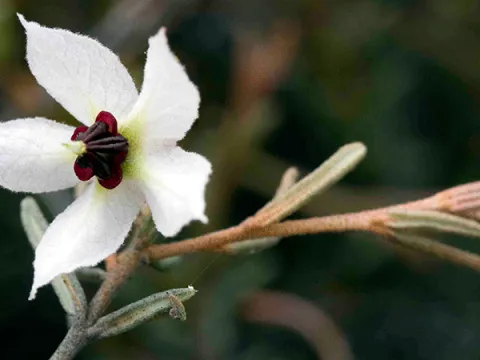
Solanum hamulosum
Solanum hamulosum
Solanum hamulosum is a distinct species within the Solanaceae family, originating from the mountainous regions of the Andes. It is characterized by specific morphological adaptations that allow it to thrive in high-altitude environments with distinct diurnal temperature fluctuations.
What the section contains
Solanum hamulosum
In agricultural practice, this plant requires well-drained, nutrient-rich soils with a slightly acidic to neutral pH level. Proper soil structure is essential to prevent waterlogging, which the plant is highly sensitive to due to its delicate root system.
The climate requirements for Solanum hamulosum favor cool temperatures and moderate levels of solar radiation. Intense direct sunlight can lead to physiological stress, so cultivation in greenhouses with shading systems is often recommended to maintain optimal growth rates.
Agrotechnical maintenance focuses on a balanced irrigation schedule. Providing consistent moisture without saturating the soil is key to promoting healthy development and preventing the onset of common physiological disorders associated with water stress.
Fertilization regimes should be based on a low-nitrogen approach during the vegetative stage to encourage structural integrity rather than excessive leaf production. Regular monitoring of leaf color and growth rate can guide precise nutrient adjustments throughout the season.
The primary threats to Solanum hamulosum involve fungal pathogens, particularly those causing damping-off or root rot. These issues are prevalent when high humidity coincides with inadequate air circulation within the canopy or greenhouse.
Insect pests, such as spider mites and whiteflies, are frequent invaders that can quickly compromise plant health. Early detection is crucial, as these pests reproduce rapidly and can cause severe damage by feeding on the sap of young, succulent tissues.
Management of these threats relies on a combination of physical barriers, such as insect mesh, and biological controls. Chemical interventions should be used sparingly, focusing on systemic products that provide long-term protection without harming beneficial organisms.
Sanitation practices are essential for the long-term success of the crop. Cleaning and sterilizing growing containers, tools, and supporting structures reduces the risk of transferring soil-borne pathogens or resting spores of fungi.
- Installing proper ventilation systems to regulate microclimate.
- Implementing strict quarantine protocols for new plant material.
- Using potassium-rich fertilizers to strengthen cell walls.
- Applying natural oils or soaps for early-stage pest control.