
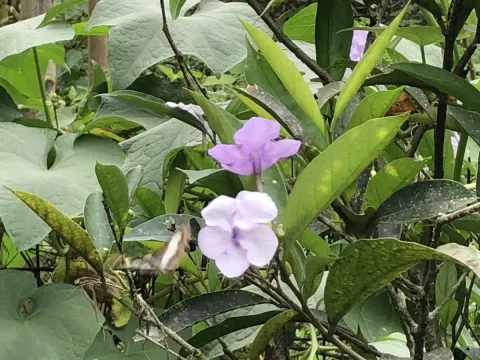
Brunfelsia grandiflora
Brunfelsia grandiflora
Brunfelsia grandiflora is a distinct species within the Solanaceae family. Originating from the tropical rainforests of South America, this evergreen shrub or small tree is highly valued for its striking, fragrant flowers that change color over time.
What the section contains
Brunfelsia grandiflora
The plant thrives in warm, humid tropical environments. For successful cultivation, growers must maintain temperatures between 20°C and 25°C. Exposure to frost or cold drafts is detrimental to the plant's health and can lead to immediate leaf drop.
Soil requirements for this crop focus on acidity and high organic content. A well-draining mixture consisting of peat, leaf mold, and perlite is recommended to prevent waterlogging while ensuring essential nutrients are available to the roots.
High relative humidity is a prerequisite for optimal growth. In controlled environments, frequent misting or the use of automated fogging systems helps replicate the native Amazonian conditions, encouraging vigorous vegetative growth.
Regarding light, Brunfelsia grandiflora prefers bright, filtered sunlight. While it can adapt to lower light levels, sufficient exposure is necessary to stimulate the characteristic blooming cycle and maintain the density of the foliage.
Spider mites are the most common pest challenge in indoor cultivation. These tiny arachnids thrive in dry conditions and can quickly colonize the undersides of leaves, causing yellowing and webbing across the plant surface.
Scale insects present a significant threat by attaching themselves to stems and leaf axils. They feed on plant sap, weakening the structure and leaving behind a sticky residue that may attract secondary fungal growth known as sooty mold.
Root rot caused by Phytophthora or Pythium species is a severe danger associated with poor drainage. Once established, this pathogen is difficult to eradicate, emphasizing the importance of preventing water accumulation at the base.
Chlorosis is a common physiological issue, often resulting from an incorrect pH balance in the growing medium. Since the plant prefers acidic conditions, high pH levels can block the uptake of iron, leading to visible interveinal yellowing.
Regular maintenance, including quarantine of new plants and periodic pruning, is essential to minimize the risk of pest infestation and pathogen transmission, ensuring the long-term health of the cultivated specimens.