
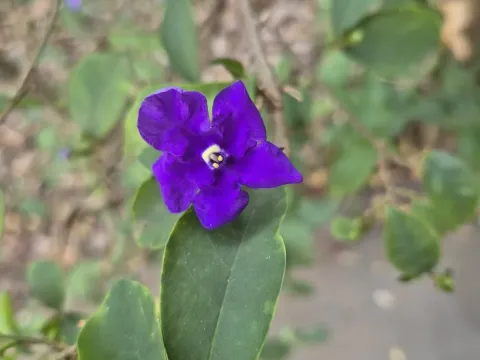
Brunfelsia uniflora
Brunfelsia uniflora
Brunfelsia uniflora is an evergreen shrub belonging to the Solanaceae family, native to tropical regions. It is highly valued for its fragrant flowers, which transition through various shades of color, providing significant ornamental value.
What the section contains
Brunfelsia uniflora
The plant thrives in a well-draining, acidic potting mix. A standard soil blend for this species should incorporate organic matter such as peat moss and leaf mold, combined with perlite to improve aeration and prevent root suffocation.
Temperature management is critical for the health of Brunfelsia. It prefers consistent temperatures between 18°C and 25°C. Exposure to sudden cold snaps or freezing conditions can result in rapid defoliation and severe plant stress.
Humidity requirements for this species are relatively high. In indoor environments, maintaining humidity levels above 60% is essential for healthy development. Frequent misting or the use of pebble trays is recommended to replicate its natural tropical habitat.
Adequate sunlight is necessary for optimal growth and flowering; however, it must be indirect. Placing the plant in a bright location with filtered light ensures that the foliage remains lush and green without the risk of phototoxicity.
Spider mites and scale insects represent the primary pest threats to Brunfelsia uniflora. These pests typically infest the plant when environmental conditions become dry and stagnant, weakening the plant's natural defenses.
Root rot is the most common pathological issue, typically caused by overwatering or inadequate soil drainage. It manifests as a gradual decline in foliage quality and can become fatal if not addressed through repotting and soil amendment.
Preventive measures include maintaining good air circulation around the canopy and avoiding wetting the leaves during the evening, which helps reduce the risk of secondary fungal outbreaks.
Early intervention with horticultural oils or mild insecticidal soaps is effective in managing pest populations before they reach damaging levels during the active growing season.
- Regular monitoring of the underside of leaves.
- Sterilization of pruning tools to prevent viral transmission.
- Consistent irrigation schedules to avoid moisture stress.