
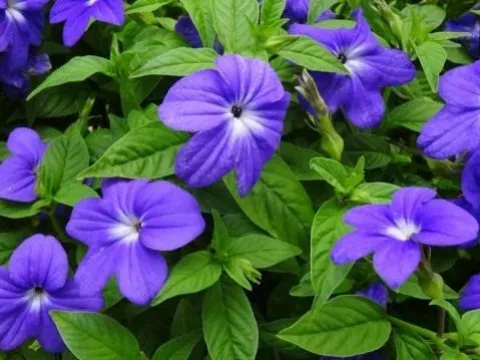
Browallia hybrids
Browallia hybrids
Sowing seeds of Browallia hybrids is typically performed indoors during the winter months, specifically between January and February. As the seeds are extremely small, they should be sown on the surface of the growing medium without covering them with soil.
What the section contains
Browallia hybrids
Optimal germination requires a consistent soil temperature of 20–22°C. It is essential to cover the trays with plastic wrap or glass to maintain high humidity levels, while ensuring the containers are ventilated periodically to prevent mold growth.
Seedlings should be pricked out once the first pair of true leaves has emerged. This process must be conducted with extreme care, as the root system of the young plants is quite delicate and prone to damage during the transplanting phase.
Pinching the growing tips of the seedlings is a crucial agronomic practice for Browallia. This technique encourages lateral branching, which results in a more compact, bushy plant that produces a significantly higher volume of flowers throughout the season.
Transplanting to a permanent outdoor location should only occur after all risks of frost have passed. Browallia is highly sensitive to cold, and planting in soil that has not sufficiently warmed up will likely cause stunted growth or total plant failure.
Browallia hybrids belong to the Solanaceae family and are popular ornamental annuals. Originating from the tropical regions of Central and South America, they thrive in warm, humid climates where they are valued for their intense floral color.
The culture requires bright, indirect light and protection from harsh afternoon sun and strong winds. In warmer geographical areas, partial shade is highly recommended to prevent heat stress and scorching of the foliage during the peak of summer.
A loose, nutrient-rich, and well-draining soil medium is required for healthy development. Browallia is very sensitive to waterlogging; therefore, ensuring that the containers or garden beds have excellent drainage capacity is a fundamental necessity.
Regular and consistent watering is necessary to keep the soil slightly moist. It is vital to find a balance where the roots receive sufficient moisture without becoming saturated, as stagnant water is a primary cause of root-related health issues.
Periodic fertilization with a balanced complex fertilizer, specifically formulated for flowering plants, is essential during the active growing season. This helps maintain high levels of blooming intensity and ensures that the plants remain vigorous.
The most common pests affecting Browallia hybrids are whiteflies and spider mites. These insects thrive in environments with low humidity, and if left unchecked, they can cause severe damage to the plant's leaves and inhibit flower development.
Aphids often target new shoots and budding sites, where they feed on sap and cause visible deformation of the plant tissue. Early detection and the application of appropriate systemic insecticides are vital for maintaining plant health.
Root and stem rots are significant threats, particularly when excessive irrigation is combined with poor airflow. These pathogens often develop in the soil and can lead to the rapid collapse of the plants if moisture levels are not controlled.
Powdery mildew can occur if there are significant temperature fluctuations, especially when humidity remains high. Proper spacing between individual plants is a standard preventive measure to ensure good air circulation throughout the flower bed.
Maintaining high sanitary standards, such as disinfecting tools and removing withered plant parts immediately, is the most effective approach to preventing the spread of fungal and bacterial infections within a collection of Browallia.