
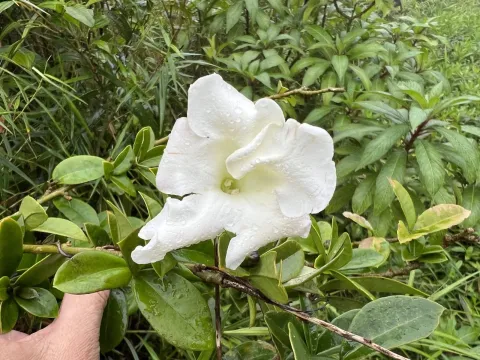
Brunfelsia lactea
Brunfelsia lactea
Brunfelsia lactea is a distinguished member of the Solanaceae family, native to the Caribbean region, specifically found in the wild on the island of Cuba.
What the section contains
Brunfelsia lactea
This species is valued in horticulture as a decorative shrub. It thrives best in well-draining, humus-rich soil that maintains a slightly acidic to neutral pH balance.
Environmental requirements for this crop are strict: it demands high atmospheric humidity and stable temperatures ranging between 20°C and 25°C throughout the year.
In terms of light exposure, Brunfelsia lactea prefers bright, indirect light. Direct sunlight, especially in the afternoon, can cause leaf chlorosis and severe scorch damage.
Cultivation practices involve consistent watering, avoiding waterlogging, and periodic pruning to shape the canopy and encourage the development of dense floral structures.
The primary pests affecting Brunfelsia lactea in confined environments include spider mites, whiteflies, and scale insects that thrive in low-ventilation settings.
Fungal pathogens such as Fusarium or Pythium may emerge if the substrate remains waterlogged, leading to root rot and eventual wilting of the ornamental shrub.
Chemical control measures should be applied carefully, choosing specialized acaricides for mite infestations and appropriate fungicides for soil-borne diseases.
Biological control, such as introducing predatory insects, can be a sustainable alternative in greenhouse environments to manage pest populations effectively.
Maintaining a clean growing area and ensuring adequate airflow are critical strategies to minimize the risk of diseases and promote healthy plant growth.