
Brunfelsia brasiliensis
Brunfelsia brasiliensis
Description
Growing requirements
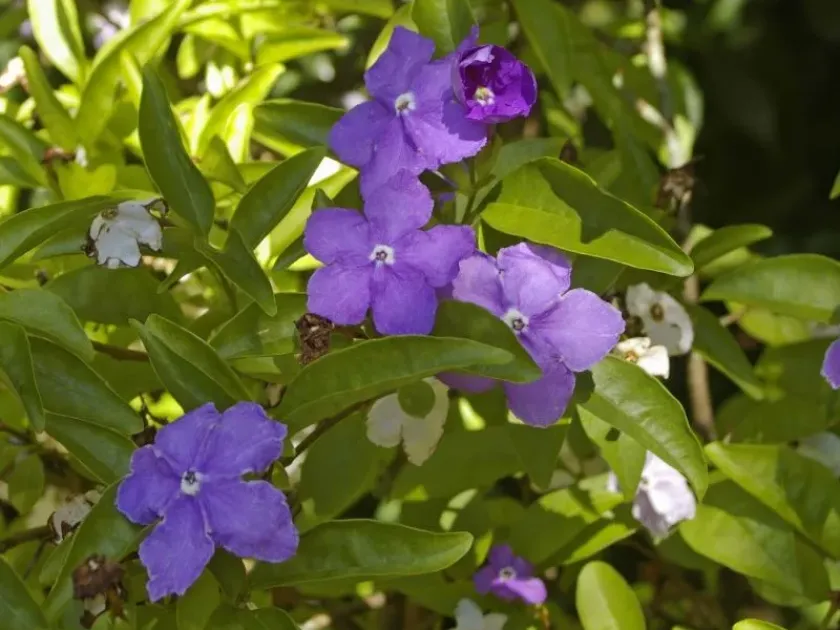
Brunfelsia brasiliensis is a stunning evergreen shrub belonging to the Solanaceae family. Native to the lush tropical regions of Brazil, it is highly valued for its fragrant flowers that change color over time.
The plant thrives in humid conditions and requires a sheltered location with filtered sunlight. Direct exposure to intense rays can damage the foliage, so partial shade is generally considered the optimal condition.
Soil requirements involve a nutrient-rich, well-draining substrate with a slightly acidic pH. Incorporating peat moss or leaf mold into the soil mix helps retain necessary moisture while preventing waterlogging.
Temperature management is crucial; the plant performs best in a range between 18°C and 24°C. Protecting the specimen from cold drafts and sudden temperature drops is essential to maintain its vegetative vigor.
Regular fertilization with a balanced, salt-low formula supports consistent development. Providing adequate space for root growth allows the plant to reach its full potential in an indoor or greenhouse environment.
Main diseases and pests
Spider mites represent a major threat to Brunfelsia brasiliensis, especially in environments where humidity levels are not consistently maintained at a high enough level.
Scale insects and mealybugs are frequently observed on the underside of leaves or in stem nodes, necessitating regular monitoring and localized treatment if an infestation occurs.
Root rot is a common pathological issue arising from poor drainage or overwatering. Maintaining a strict irrigation schedule is the primary method of preventing these fungal diseases.
Chlorosis, often indicated by yellowing leaves between veins, serves as an early warning for micronutrient deficiencies or improper substrate acidity that requires immediate correction.
Integrated pest management, including regular inspection and cleaning of leaves, significantly reduces the need for heavy chemical interventions in the greenhouse setting.