
Brunfelsia americana
Brunfelsia americana
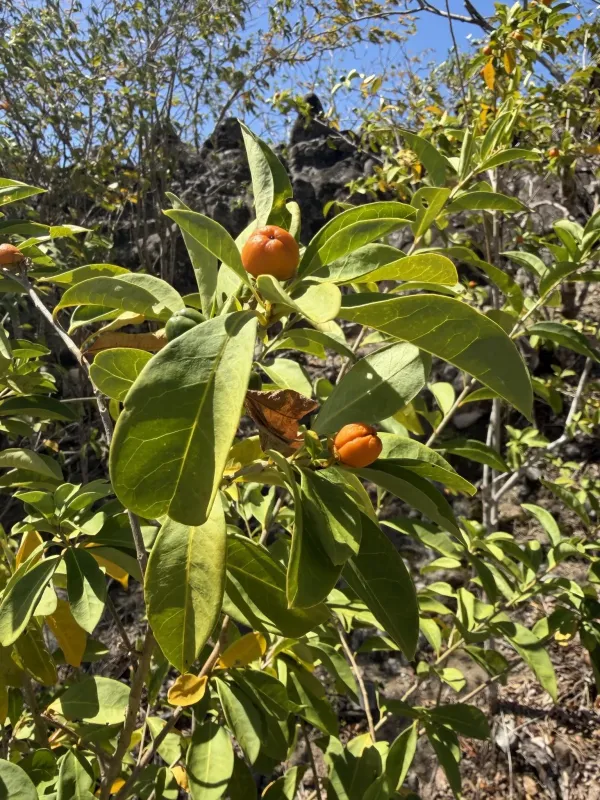
Description
Growing requirements
Brunfelsia americana is a species of flowering shrub belonging to the Solanaceae family. Originally native to the Caribbean region, this plant thrives in warm, humid tropical environments where it benefits from rich, organic-rich soil substrates.
The plant is distinguished by its unique white tubular flowers that gradually transition to a creamy yellow hue. It is highly valued for its intense nocturnal fragrance, making it a popular choice for conservatory collections and interior decoration.
The climatic requirements for this crop necessitate temperatures strictly between +20°C and +26°C. It is intolerant of frost and cold drafts, meaning that in non-tropical regions, it must be grown in controlled indoor settings or greenhouses.
Soil management for Brunfelsia americana requires a well-draining, slightly acidic medium (pH 5.5–6.5). Proper aeration is essential, as the root system is sensitive to waterlogging and compaction, which can impede growth and nutrient absorption.
Agrotechnical practices involve consistent irrigation using soft water and monthly feeding during the growing season. High atmospheric humidity is non-negotiable; constant misting or the use of pebble trays is required to mimic its natural habitat conditions.
Main diseases and pests
Common pests associated with this plant include spider mites and mealybugs, which are particularly prevalent in indoor environments with low humidity. Prompt intervention with insecticidal soaps or horticultural oils is necessary to maintain leaf health.
Root rot is the most significant pathological threat to the crop, often caused by Phytophthora or Pythium species in waterlogged soil. Ensuring professional drainage and avoiding over-watering are the primary methods of disease prevention.
Scale insects can establish themselves on the woody stems and veins of the leaves, causing structural damage. Regular physical inspection and localized treatment with systemic insecticides are highly recommended for effective long-term control.
Leaf spot caused by fungal pathogens can be an issue in greenhouses with poor ventilation. Maintaining good air circulation and removing affected foliage immediately helps to minimize the spread of fungal spores among plants.
Physiological disorders such as interveinal chlorosis may indicate an iron deficiency or incorrect pH levels in the growing medium. Regular monitoring of the soil chemistry and utilizing chelated iron supplements can rectify these nutrient imbalances.