
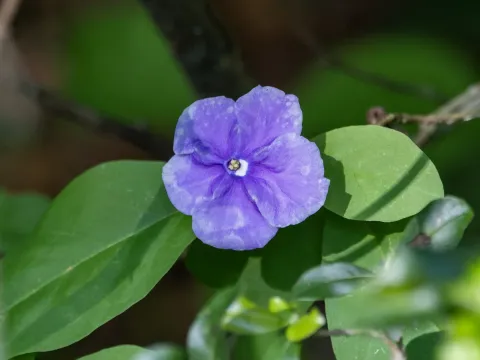
Brunfelsia australis
Brunfelsia australis
Brunfelsia australis is an evergreen shrub belonging to the Solanaceae family, widely recognized for its vibrant and fragrant flowers. Originating from the subtropical regions of South America, this plant is a popular choice for indoor gardens, greenhouses, and conservatories where climate control is manageable.
What the section contains
Brunfelsia australis
The natural habitat of Brunfelsia australis consists of humid forests, which dictates its primary requirements: high air humidity and consistent moisture. In an agricultural setting, it is essential to ensure that the environment remains stable, avoiding drafts and extreme heat fluctuations.
For optimal growth, use a well-draining, nutrient-rich potting mix with a slightly acidic pH. The root system is delicate and prone to root rot if the substrate becomes waterlogged, necessitating the inclusion of perlite or similar materials to ensure proper aeration within the pot.
Light requirements for this species are specific; it thrives in bright, indirect light. Direct sunlight can cause leaf scorching, while insufficient light levels will significantly reduce or even prevent the shrub from producing its characteristic blooms during the season.
The irrigation schedule must be strictly maintained, ensuring the soil remains moist but never saturated. During the winter dormancy phase, watering should be reduced to allow the plant a resting period, which is crucial for the initiation of new buds in the following spring.
The primary pests targeting Brunfelsia australis are spider mites and scale insects, which flourish in dry indoor environments. Regular monitoring of the foliage and increasing the humidity around the plant are effective cultural methods to prevent infestations before they become severe.
Fungal issues such as root rot and leaf spot are common threats when the plant is exposed to poor ventilation or excessively cold, damp conditions. To mitigate these risks, ensure appropriate air circulation and use sterilized tools when pruning to maintain plant health and vigor.