
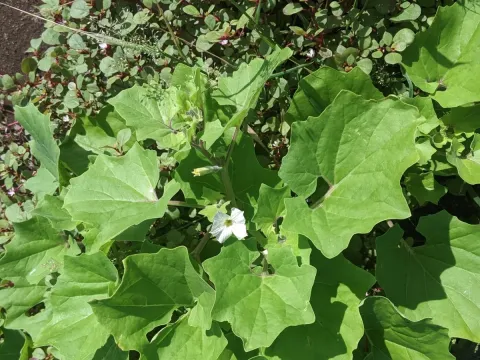
Cacabus
Cacabus
Plants of the genus Cacabus, belonging to the Solanaceae family, are typically cultivated using seed propagation methods during the optimal growing season.
What the section contains


Cacabus
Sowing in open ground should be delayed until the soil temperature consistently stays above 15–18 degrees Celsius to ensure rapid germination.
Seedlings are often raised in protected environments to allow for better control over the germination process and initial development stages.
A sowing depth of approximately 0.5 to 1 centimeter is recommended to maintain the right balance of moisture and aeration for the seeds.
Proper spacing during planting is essential to provide enough room for the plants to spread and develop their full physiological potential.
The Cacabus genus thrives in sunny locations with well-drained, fertile soil that is rich in organic matter and nutrients.
Consistent moisture management is required, as the root system is sensitive to both prolonged drought and excessive water stagnation.
Good soil aeration is critical, necessitating regular cultivation between rows to prevent compaction and support active root respiration.
Soil pH should ideally be in the neutral to slightly acidic range to optimize the availability of essential minerals and micronutrients.
Protection from severe weather events, such as heavy rain or strong winds, is advised to maintain the structural integrity of the crop.
Like many members of the Solanaceae family, these plants are susceptible to various fungal pathogens, including blights and root rot.
Insect pests, such as aphids and spider mites, are common threats that can compromise the health and vigor of the plants if not monitored.
Preventive measures include crop rotation, which is vital to breaking the life cycle of soil-borne diseases and specific pests.
Early detection and the application of integrated pest management practices are essential to mitigating the impact of potential infestations.
Maintaining adequate air circulation within the plant canopy helps to significantly reduce the risk of humidity-related fungal development.