
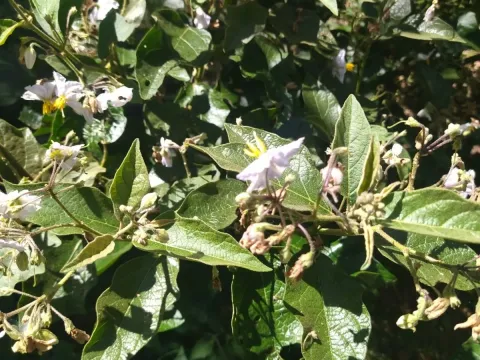
Buenos Aires nightshade
Solanum bonariense
The Buenos Aires nightshade (Solanum bonariense) is a perennial evergreen shrub or small tree belonging to the extensive Solanaceae family. Originating from South America, specifically Argentina and surrounding areas, this plant has adapted well to subtropical climates and is prized for its aesthetic form and resilience.
What the section contains
Buenos Aires nightshade
Botanically, it is characterized by large, elliptic leaves often featuring soft pubescence, and striking star-shaped flowers that bloom in clusters. The fruit, transitioning from green to a vivid orange-yellow upon maturity, provides a significant visual appeal during the autumn months in warm climates.
Cultivation of this species requires a location with full sun exposure to maintain its compact habit and encourage abundant flowering. It thrives in well-drained, nutrient-rich soils and is sensitive to heavy, waterlogged ground, which can lead to rapid physiological decline and root rot complications.
Regarding climate, Solanum bonariense prefers mild temperatures and does not tolerate severe or prolonged frost. In temperate zones, it is frequently cultivated as a container plant, allowing it to be moved to greenhouses or sheltered areas during the winter to avoid permanent damage to the structural branches.
In terms of хозяйственного (agricultural) and landscape use, the plant is primarily utilized for decorative purposes. Its structural potential allows it to be shaped through regular pruning, making it an excellent candidate for formal gardens, provided that its status as a member of the nightshade family and potential toxicity are kept in mind.
The primary insect pests affecting the Buenos Aires nightshade include aphids, whiteflies, and spider mites, which typically colonize the underside of leaves, leading to stunted growth and yellowing of the foliage.
Fungal pathogens such as Phytophthora or various leaf spot diseases can become problematic if the plant is subjected to high humidity with poor air circulation, necessitating strict moisture control.
Preventive measures include maintaining proper spacing between plants and ensuring a clean environment around the root zone, which significantly limits the survival of pathogens during the off-season.
When chemical intervention is required, it is essential to target the specific pest while adhering to safety regulations, especially if the plant is grown in residential or public ornamental landscapes.
Integrated Pest Management (IPM) strategies, including the use of horticultural oils and mechanical cleaning, represent the most sustainable approach to maintaining the health of this nightshade species.