
Browallia americana
Browallia americana
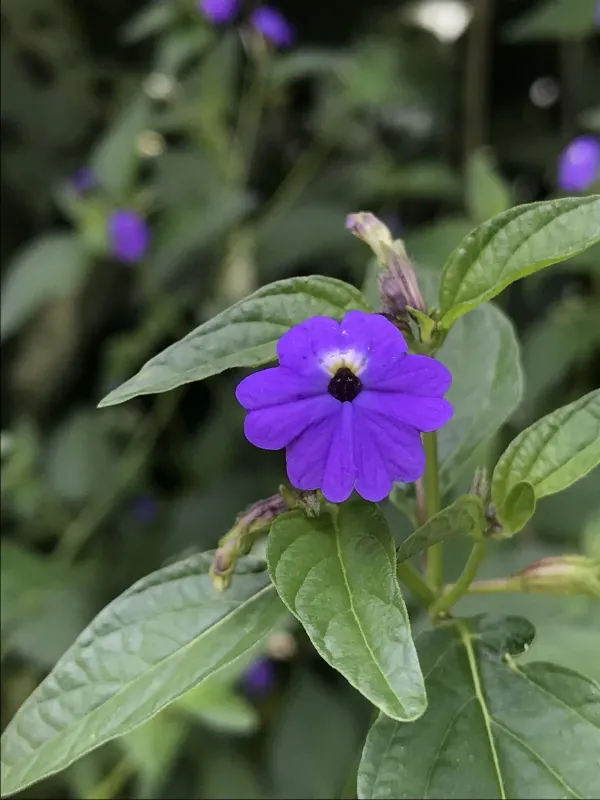
Description
Sowing dates
Sowing Browallia americana typically begins in late winter or early spring under greenhouse conditions. The seeds are extremely small, requiring surface sowing on a moist, fine-textured growing medium without deep covering.
Germination requires a consistent temperature of 20–22 degrees Celsius. Covering the seed trays with plastic or glass helps maintain high humidity levels, which is crucial for uniform seedling emergence in the initial stages.
Transplanting (pricking out) the seedlings should be performed once the first set of true leaves develops. Given the plant's delicate root system, careful handling is essential to minimize root damage and prevent transplant shock.
Hardening off the seedlings is a vital step before outdoor placement. Gradually exposing the plants to outdoor temperatures over a two-week period ensures they can better withstand the environmental changes upon final planting.
Final planting into outdoor beds or containers should only occur when all danger of frost has passed. Browallia americana is sensitive to cold and thrives only in stable, warm weather conditions throughout its growing cycle.
Growing requirements
Browallia americana is a representative of the Solanaceae family, known for its aesthetic appeal as an annual flowering plant. It is widely utilized in decorative horticulture for both bedding and container gardening.
The crop demands fertile, well-draining soils with a neutral pH balance. When grown in containers, a high-quality potting mix enriched with organic matter provides the necessary aeration and moisture retention for healthy growth.
Light requirements for this species are best met with bright, indirect sunlight. While it can tolerate some sun, excessive direct midday exposure often leads to leaf scorching and a significant reduction in the duration of the flowering period.
Regular irrigation is necessary to keep the root zone consistently moist but not waterlogged. Overwatering should be avoided, as it easily leads to root rot, especially in cooler or poorly ventilated environments.
Fertilization with a balanced, phosphorus-rich liquid fertilizer every two weeks promotes vigorous blooming. Removing faded blossoms encourages the plant to direct its energy toward producing new flower buds throughout the season.
Main diseases and pests
Common pests affecting Browallia americana include spider mites and aphids, which are particularly troublesome during periods of low humidity. These insects can rapidly weaken the plant by feeding on the sap of tender leaves.
Fungal diseases, including grey mould and root rot, represent significant threats if irrigation practices are poor. These pathogens thrive in stagnant, humid environments where air circulation is restricted.
Integrated pest management strategies involve regular monitoring and the prompt removal of any infected plant tissue. Keeping the growing area clean and free from weeds is essential to prevent the spread of diseases.
When chemical intervention is required, specialized insecticides or fungicides should be applied according to professional agricultural standards. Always follow the manufacturer's instructions for dosage and application frequency.
Creating optimal airflow by providing appropriate spacing between plants helps significantly in preventing disease outbreaks. Proper ventilation keeps the foliage dry and makes the environment less favorable for pathogenic fungi development.