
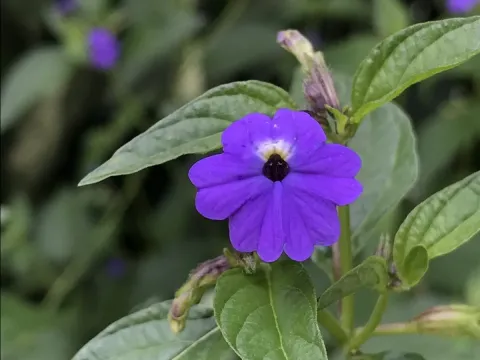
Browallia
Browallia
Browallia seeds are small and require specific conditions for successful germination. It is best to start seeds indoors about 10–12 weeks before the last frost date to ensure the plants have enough time to establish themselves before flowering.
What the section contains


Browallia
Use a sterile, well-draining seed-starting mix to prevent damping-off diseases. The seeds should be sown on the surface of the soil, as they require light to germinate effectively. Press them gently into the soil but do not cover them deeply.
Maintain high humidity by covering the tray with a clear plastic dome or plastic wrap. Keep the growing medium consistently moist using a spray bottle to avoid displacing the tiny seeds during the initial stages of development.
Once seedlings emerge, provide bright, indirect light to ensure they grow sturdy and compact. If the seedlings appear to stretch, move them closer to the light source or lower the ambient temperature slightly.
Prick out the seedlings once they develop their first set of true leaves. Transition them to individual pots to allow the root system to expand before they are hardened off and transplanted to their final location outdoors.
Browallia is a genus in the Solanaceae family, native to the tropical forests of South and Central America. These plants are prized for their star-shaped flowers and their ability to thrive in partial shade conditions.
They prefer rich, loamy, and well-drained soil with a slightly acidic to neutral pH. It is essential to incorporate organic matter, such as compost, into the soil to support continuous and vigorous blooming throughout the summer months.
While Browallia tolerates partial shade, it performs best in locations with dappled morning sunlight. Intense afternoon heat and direct sun can scorch the foliage and cause the plants to wilt rapidly during hot spells.
Consistent moisture is key, but waterlogging should be strictly avoided. Ensure the soil remains evenly damp, especially during flowering periods, to prevent bud drop and yellowing of the leaves.
These plants are tender and will not survive frost. Therefore, they should only be planted outdoors once all risk of cold weather has passed and nighttime temperatures remain consistently above 15 degrees Celsius.
The most common pests affecting Browallia include whiteflies, aphids, and spider mites. These pests thrive in dry conditions and can quickly infest a plant, causing stunted growth and distorted foliage.
Regular inspection of the plant, especially the undersides of the leaves, is crucial for early detection. If an infestation occurs, insecticidal soaps or neem oil can be effective at managing the population of these insects.
Powdery mildew is a fungal issue that occurs in humid, poorly ventilated environments. It appears as a white, dusty layer on the leaves, which can be mitigated by improving air circulation and ensuring the foliage stays dry.
Root rot, often caused by overwatering or poor drainage, is a significant threat to the plant's health. To avoid this, always check soil moisture before watering and ensure your containers have adequate drainage holes.
Implementing a proper plant spacing strategy reduces the humidity around the foliage and minimizes the spread of fungal spores. Clean garden tools and removing debris also help in preventing the establishment of soil-borne pathogens.