
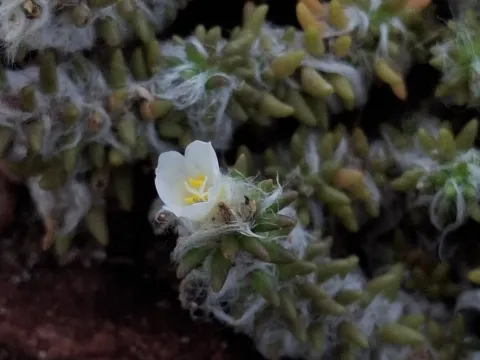
Portulaca halimoides
Portulaca halimoides
Portulaca halimoides is a notable species within the Portulacaceae family, recognized for its exceptional resilience in challenging, arid environments. As a succulent herbaceous plant, it has gained interest in agricultural circles for its potential as a sustainable crop in low-water zones.
What the section contains
Portulaca halimoides
Originating from the Americas, particularly the Caribbean and tropical regions, this plant thrives in extreme sunlight and poor soil conditions. Its natural habitat includes sandy and rocky terrains where it competes effectively due to its specialized water-storage tissues.
Optimal growth requires high intensity light exposure; shade is detrimental to the plant's metabolic processes and structural integrity. The soil must be exceptionally well-draining, as the plant cannot tolerate waterlogged conditions which rapidly lead to physiological stress and rot.
Agronomic management of Portulaca halimoides focuses on drought management and light soil conditioning. Unlike many commercial crops, it does not require intensive nitrogen fertilization, which helps in reducing production costs and ecological footprint.
Its botanical features include thick, fleshy leaves and vibrant yellow flowers. These features are adaptive mechanisms to high transpiration rates, allowing the plant to maintain its physiological functions during extended dry spells, making it a model organism for water-efficient farming.
The primary agricultural threat to Portulaca halimoides is fungal pathogen colonization in the root zone. Overwatering creates anaerobic conditions that favor root rot development, which can decimate populations in a short timeframe.
Pests such as aphids and spider mites are common concerns in greenhouse or controlled environments. Their presence can be managed through strict hygiene practices and, if necessary, the application of soft, eco-friendly pest control agents.
Weed management is critical during the initial germination and establishment stages. Because the plant grows slowly in its early phase, competing weeds can easily overshadow it and restrict its access to light and essential soil nutrients.
Mechanical injuries from poorly calibrated agricultural machinery represent another significant risk. Damaged tissues are highly susceptible to opportunistic bacterial infections that enter through breaks in the succulent epidermis.
Prevention involves maintaining wide spacing between plants to encourage air circulation. This practice significantly reduces the micro-humidity levels near the soil surface, thereby decreasing the risk of foliage and stem disease outbreaks.