
Portulaca papillatostellulata
Portulaca papillatostellulata
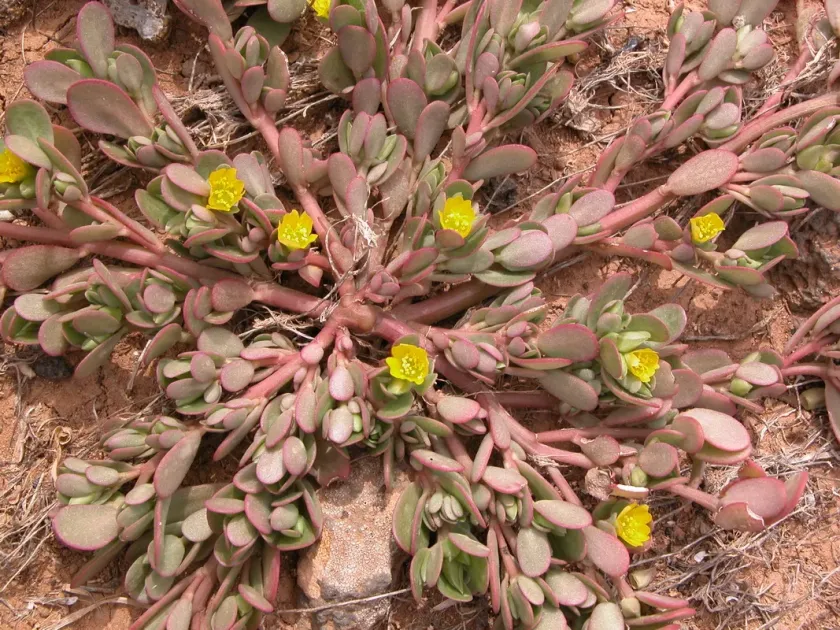
Description
Sowing dates
The sowing of this purslane species is mainly carried out in the spring period, when the threat of night frosts has passed and the soil temperature is consistently above 15 degrees Celsius.
For high-quality germination, the seeds are sown superficially, as they possess high photosensitivity and require exposure to sunlight to initiate embryonic growth.
Under protected ground or greenhouse conditions, earlier sowing is possible, starting from the end of February, allowing for developed seedlings to be ready for transplanting.
The substrate for sowing must be as light and breathable as possible, with the addition of coarse-grained sand to ensure rapid moisture drainage from young seedlings.
An important aspect is maintaining intervals between plants, as dense planting can trigger the development of fungal diseases at the base of the stems.
Growing requirements
Portulaca papillatostellulata is a member of the Portulacaceae family, which in its natural environment inhabits regions with a pronounced arid or semi-arid climate.
The plant demonstrates exceptional tolerance to moisture deficit thanks to its succulent properties, allowing it to store water in its leaf and stem tissues.
The crop has moderate soil requirements, preferring well-drained, sandy or loamy substrates with a neutral or slightly acidic pH level.
Intense solar illumination is a critical factor for the normal development of the species; shade causes stems to stretch and leads to a loss of the epidermis's characteristic color.
The plant is well-adapted to high air temperatures, but is sensitive to excessive moisture stagnation in the root zone, which can lead to physiological disorders.
Main diseases and pests
The main threats to this crop are pathogenic microorganisms that develop in conditions of high humidity and poor ventilation, such as root rots.
Pests typical for succulent plants include spider mites and mealybugs, which may attack shoots in conditions of dry indoor or greenhouse air.
Upon detection of pest infestation, local treatment with specialized biological insecticides should be performed, minimizing chemical stress on the plant.
Disease prevention consists of strictly adhering to the watering regime and ensuring high-quality soil aeration to prevent the substrate from souring.
Regular inspection of the lower leaf surfaces is also recommended, as initial pest infestation spots often localize in these areas.