
Phemeranthus parviflorus
Phemeranthus parviflorus
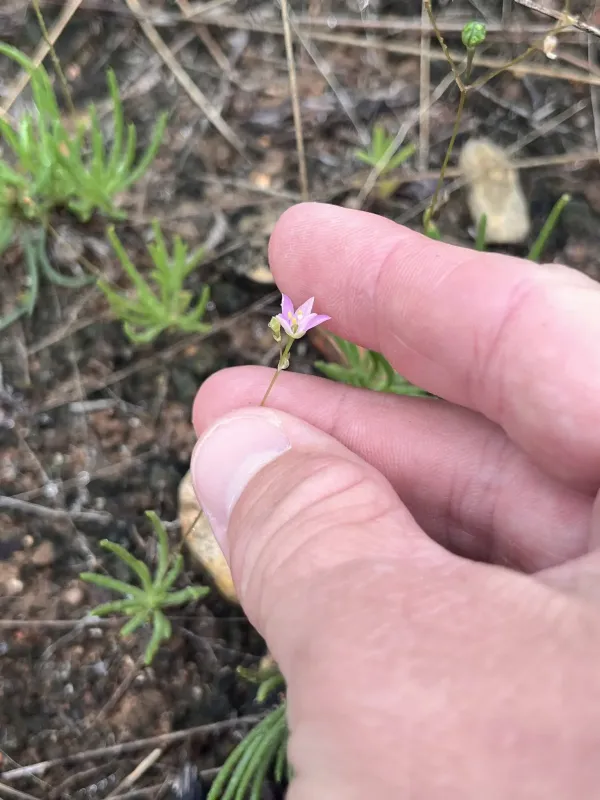
Description
Sowing dates
Phemeranthus parviflorus is a perennial succulent that can be propagated primarily through seeds or division of its fleshy root system. Sowing is best performed in late winter or early spring using a controlled environment to ensure successful germination.
Seeds are extremely small and should be sown on the surface of a light, well-draining soil mix. High humidity is required initially, but as seedlings emerge, the moisture level should be gradually reduced to prevent damping-off disease.
Transplanting into outdoor environments should only occur after all frost risks have passed. The plant requires a gradual hardening-off process to adjust to direct sunlight and outdoor temperatures before being permanently placed in the garden.
When planting, maintain a spacing of 15-20 centimeters between plants. This layout allows for adequate air circulation, which is essential for preventing fungal issues common in succulent species grown in tight groups.
Initial irrigation after planting must be cautious, ensuring that the soil remains only slightly moist while the root system establishes itself in the new growing site.
Growing requirements
The primary requirement for Phemeranthus parviflorus is abundant, direct sunlight. As a desert-adapted plant, it thrives when exposed to the full sun for the majority of the daylight hours throughout the growing season.
Soil composition must be extremely porous. A sandy or rocky substrate is ideal for this species, as heavy clay or organic-rich soils will retain too much moisture and inevitably lead to root decay.
This species is highly drought-tolerant, having evolved to store water within its succulent leaves and thickened roots. Watering should be infrequent, restricted to periods of extreme heat or prolonged drought conditions.
The soil pH should ideally remain neutral or slightly acidic. Avoid heavy fertilizing with nitrogen-rich products, as this encourages excessive leaf growth that can weaken the plant and reduce its natural resistance to environmental stress.
In regions with harsh winters, providing protection from freezing temperatures is vital. Often, this means keeping the plants in pots that can be moved to a protected location where they can remain dormant without freezing.
Yield
The ornamental yield of Phemeranthus parviflorus is measured by the frequency and intensity of its bloom cycles. Healthy specimens produce numerous flower stalks with bright pink to purple blossoms throughout the summer.
The growth rate of this succulent is relatively slow, as it focuses its energy on developing a strong, fleshy root system. This makes it a low-maintenance choice for rock gardens where plant size needs to be controlled.
Seed production can be substantial if pollinators are active in the area. However, because seeds are minute, collecting them requires careful attention to the seed capsules as they reach maturity.
The plant's longevity is tied to the health of its central root tuber, which acts as the main storage organ for nutrients. Ensuring this root system remains dry and free of rot is the key to year-after-year performance.
Group plantings create a beautiful aesthetic effect, especially when the flowers open during the peak heat of the day, transforming the garden space into a vibrant landscape display.
Main diseases and pests
Root rot, induced by excess moisture, is the primary threat to the vitality of Phemeranthus parviflorus. If the drainage is insufficient, the tissues of the plant will quickly become susceptible to pathogens.
Insects such as aphids and spider mites can occasionally target the tender leaves of the plant. If infestation occurs, the use of mild, targeted insecticidal soaps or oils is recommended to manage the population without damaging the succulent tissues.
Soil-borne pests like nematodes can cause damage to the underground parts of the plant. Using sterile soil when planting in containers and rotating outdoor planting areas can help mitigate these risks.
Fungal issues like powdery mildew can arise if there is poor airflow and high humidity. Positioning the plant in a location with good natural breezes is a simple yet effective preventative measure.
Care must be taken during the transition seasons of spring and autumn, as fluctuating moisture levels and cool temperatures create the most dangerous conditions for this desert-loving species.
Harvesting
When harvesting seeds or preparing the plant for division, always choose a dry and sunny day. This ensures that the collected material is free from excessive moisture, which prevents spoilage during storage.
Deadheading faded flowers at the end of the season is recommended to prevent the plant from wasting energy on seed production and to encourage it to store more nutrients in its roots for the winter dormancy phase.
Division of the plant should be conducted during the dormant phase when the plant is not actively growing, as this minimizes the trauma to the root system and reduces the chances of rot at the cut points.
All tools utilized for harvesting or dividing the plant must be sanitized. A clean cut prevents the entry of pathogens into the succulent tissues, which are highly vulnerable after being damaged.
Proper drying is essential after harvesting; keep the materials in a well-ventilated, shaded area for several days before moving them into paper storage containers for long-term protection.