
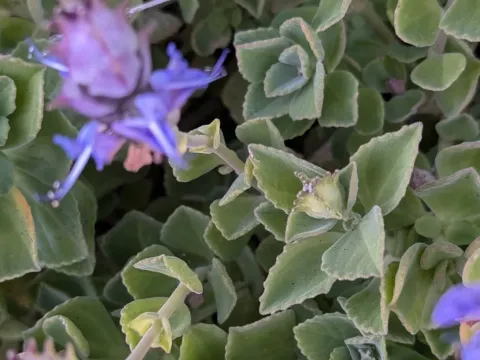
Pycnostachys
Pycnostachys
Seeds of Pycnostachys should be sown in late winter or early spring, approximately 8-10 weeks before the last expected frost date. For successful germination, the seeds require exposure to light and a stable warm temperature ranging between 20-22 degrees Celsius.
What the section contains
Pycnostachys
When sowing, the seeds should only be lightly pressed into the substrate rather than covered deeply, as exposure to light is necessary for activation. Covering the container with glass or plastic is recommended to maintain high humidity levels.
Seedlings may emerge unevenly, which requires patience from the grower and the maintenance of consistently moderate soil moisture. Once two true leaves develop, seedlings should be pricked out into individual pots to foster a strong root system.
Transplanting into open ground should only occur after stable warm weather is established and soil temperatures have reached 15 degrees. The crop is highly sensitive to cold, making hardening-off sessions a mandatory part of preparation.
When cultivating in greenhouses, sowing times can be adjusted; however, it is essential to consider light intensity, as the plant requires long daylight hours to trigger the flowering phase.
Pycnostachys prefers open, sunny locations where the plant can receive maximum ultraviolet radiation. In shaded areas, stems tend to become leggy, losing both aesthetic appeal and the density of flower spikes, which is crucial for commercial value.
The ideal growing medium consists of fertile, loamy, or sandy soils, provided they offer excellent drainage. Standing water at the roots is detrimental to this member of the Lamiaceae family.
The optimal soil pH level falls within a slightly acidic to neutral range (pH 6.0–7.0). Incorporating organic matter, such as well-rotted compost, prior to planting significantly boosts biomass production.
The crop requires regular but moderate irrigation, particularly during the active stem development phase. While drought stress should be avoided, overwatering is strictly prohibited to prevent root rot.
The plant responds well to balanced mineral fertilizers with reduced nitrogen levels during bud formation to stimulate intense flowering and ensure the structural integrity of the flower spikes.
Slugs and snails pose a primary threat to young seedlings and can destroy fragile growth overnight. It is recommended to implement barrier protection systems around the flower beds.
In greenhouse environments with poor ventilation, the plant is susceptible to spider mites and aphids. Regular inspections of the undersides of leaves allow for early detection and mitigation of infestations.
Fungal diseases, such as root rot, occur exclusively when watering protocols are violated or drainage is inadequate. Prevention relies on adhering to strict agronomic standards and frequent soil aeration.
Powdery mildew may appear in late summer during significant temperature fluctuations between day and night. The use of sulfur-based fungicides is effective in suppressing pathogen development.
To prevent the spread of diseases, it is necessary to promptly remove all plant debris from the field and maintain proper spacing during planting to ensure adequate air circulation.