
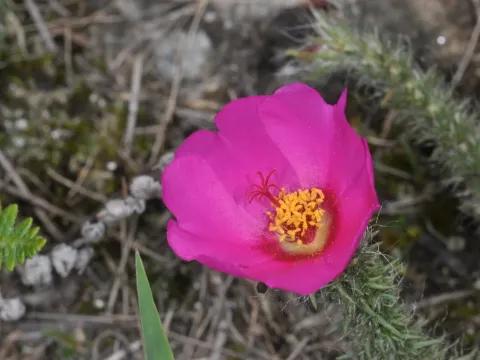
Purslane eruca
Portulaca eruca
Portulaca eruca is a thermophilic crop that requires stable warm temperatures to germinate, ideally ranging between 18 and 22 degrees Celsius.
What the section contains
Purslane eruca
Sowing should be carried out only after the danger of frost has passed, ensuring the soil has sufficient heat to support the rapid development of the root system.
Due to the small size of the seeds, they should be sown on the surface or very shallowly, using a fine-textured substrate to ensure good contact between the seed and the moist soil.
The row spacing should be maintained at about 25 centimeters, allowing for efficient weeding and adequate aeration between the plants to prevent excessive humidity.
In regions with shorter growing seasons, starting plants indoors in trays and transplanting them after hardening off can provide a significant advantage for commercial yield.
The plant belongs to the Portulacaceae family, known for its succulent morphology that allows the species to survive in environments where water availability might be fluctuating.
It thrives in well-drained, sandy, or loamy soils where there is no risk of waterlogging, as the fleshy stems and roots are prone to decay under excessive moisture.
Full sun exposure is a critical requirement for this crop; limited sunlight leads to etiolation and a substantial decrease in the nutritional density of the leaves.
While the plant is hardy, it requires consistent moisture during the early stages of establishment to ensure a healthy and uniform vegetative cover across the field.
Soil pH should ideally be neutral or slightly acidic; the crop does not require heavy fertilization, as excessive nutrient levels can disrupt the natural succulent growth pattern.
Despite its resilience, Portulaca eruca can be susceptible to fungal diseases such as root rot or damping-off, particularly in conditions of poor air circulation and high soil moisture.
Aphids represent a common pest threat, as they tend to congregate on the tender, succulent tips of the stems, sucking plant sap and potentially transmitting viral pathogens.
Slugs and snails can cause significant damage to young seedlings, especially in damp weather or when the crop is grown in sheltered, humid environments like greenhouses.
Weed competition is a major factor in early growth, as the crop's slow initial development makes it vulnerable to being outcompeted by more aggressive invasive weeds.
Integrated pest management, including crop rotation and proper spacing, is recommended to mitigate the risk of disease without the excessive use of broad-spectrum chemicals.
Harvesting is typically scheduled 35 to 45 days post-sowing, focusing on the collection of the fresh, tender vegetative parts of the plant before the flowering phase.
The stems are cut manually using sharp tools, leaving enough of the base to allow the plant to regenerate if the environmental conditions remain favorable.
Frequent, light harvests promote branching and a more bushy habit, which effectively increases the total yield per square meter over the entire growing season.
Post-harvest handling is critical, as the succulent leaves lose moisture rapidly; produce must be cooled immediately to extend shelf life and maintain freshness.
Storage should be conducted at low temperatures in a high-humidity environment, ensuring that the packaging does not trap excessive heat or promote microbial decay.