
Queen palm
Arecastrum
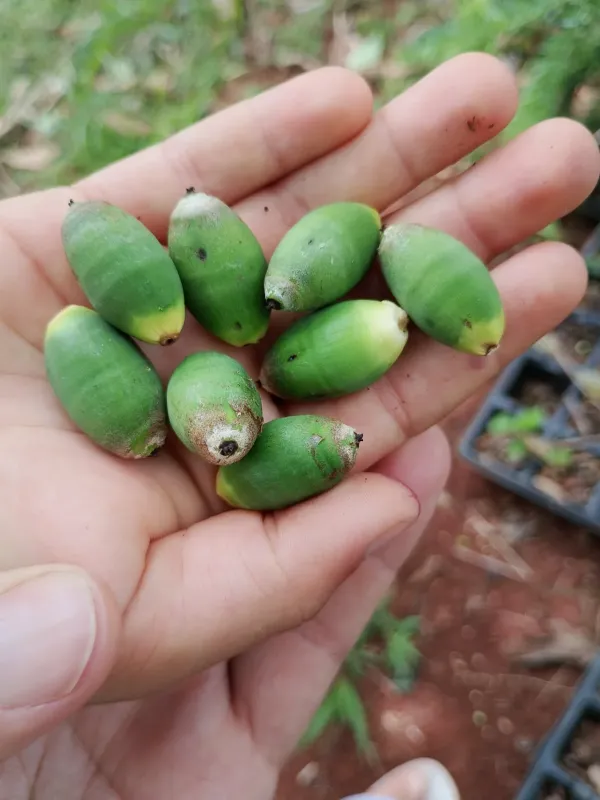
Description
Growing requirements
The Queen Palm, scientifically classified as Syagrus romanzoffiana, belongs to the Arecaceae family. Originating from South America, specifically Brazil and Argentina, it has become a popular ornamental palm worldwide due to its elegant appearance and rapid growth rate.
Botanically, the plant features a single, smooth, ringed trunk and long, arching, feather-like fronds that can extend up to several meters. It is highly valued for its ability to create a tropical atmosphere in various landscapes.
The species requires a climate with high humidity and consistent warmth. While it is somewhat cold-hardy for a palm, it thrives best in tropical and subtropical regions where temperatures remain consistently above freezing for the majority of the year.
Soil requirements include high organic content, good fertility, and superior drainage capabilities. Heavy clay soils are generally unsuitable unless amended, as they impede root development and promote water stagnation.
Cultural management involves providing sufficient irrigation during peak growth phases and applying balanced, slow-release fertilizers enriched with minor elements like magnesium and manganese, which are crucial for leaf health.
Main diseases and pests
Fungal diseases such as Fusarium and Phytophthora are the most common threats to the Queen Palm. These pathogens often invade through the root zone or damaged stem tissue, especially in overly wet or poorly drained environments.
Pest pressures include palm aphids, scales, and mites. These insects can quickly colonize the fronds, leading to chlorosis, stunted growth, and a significant reduction in the aesthetic value of the plant.
Nutrient deficiencies, particularly boron and potassium, frequently occur in neglected specimens, manifesting as twisted or stunted new fronds and yellowing of the older leaves.
Integrated pest management strategies should be prioritized, focusing on cultural practices such as proper spacing, irrigation control, and the usage of targeted pesticides only when necessary.
Regular monitoring of the palm's health status is recommended, ensuring that any signs of discoloration or wilting are addressed through immediate soil analysis or canopy inspection.