
Portulaca gilliesii
Portulaca gilliesii
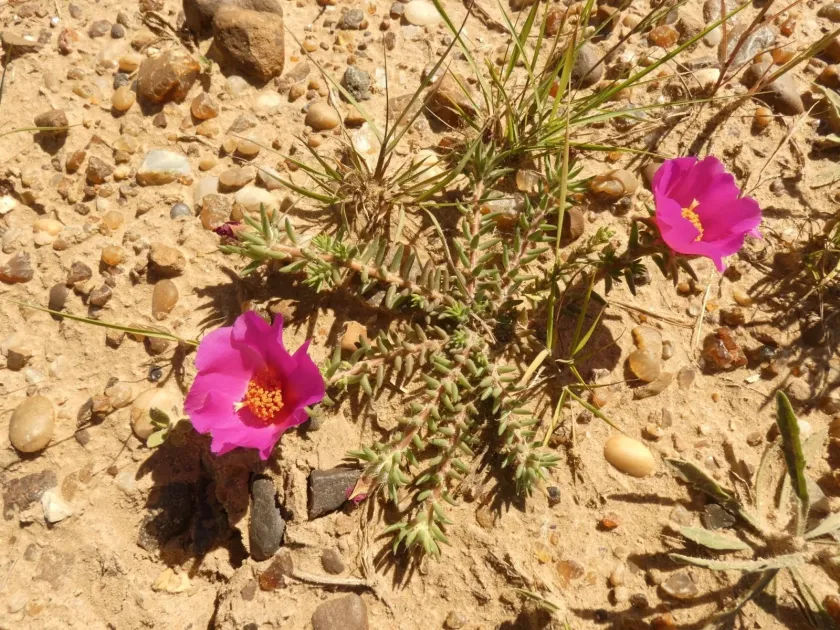
Description
Sowing dates
Portulaca gilliesii is a herbaceous perennial plant belonging to the Portulacaceae family. In temperate climates, it is typically cultivated as an annual since it lacks cold hardiness and is easily damaged by even light frosts during the late spring or early autumn periods.
Seeds should be sown indoors in late March or early April to ensure strong seedlings. The seeds are very small and should be sown on the surface of the growing medium without being buried deep, as light is required for successful germination.
Maintaining a temperature between 22 and 25 degrees Celsius is crucial for germination. Once seedlings appear, they must be placed in a very bright location to prevent etiolation, which often results in weak, spindly stems that struggle to thrive when moved outdoors.
Pricking out the seedlings into individual containers is recommended when the first true leaves emerge. Extreme caution is needed during this stage to avoid root damage, as the root system of Portulaca is exceptionally delicate and sensitive to handling.
Transplanting to a permanent location should occur after all risk of frost has passed, usually by late May or early June. The plants should be spaced adequately to allow for their succulent stems to spread and display their full ornamental potential in the garden.
Growing requirements
The most important requirement for Portulaca gilliesii is full sun exposure. This plant is highly photophilous and will fail to bloom if kept in partial shade, while its stems will become thin and weak, losing the succulent appearance that defines the species.
The soil should be light, sandy, or loamy with excellent drainage properties. Portulaca gilliesii is particularly intolerant of waterlogged soil, which leads to root rot within a very short period, often killing the entire plant before the gardener notices the distress.
Watering should be sparse and controlled. Since the leaves act as water reservoirs, the plant possesses high drought resistance. It is best to water during the morning hours, ensuring the soil has time to dry out slightly before the cooler temperatures of the night set in.
Fertilization should be kept to a minimum. Over-fertilizing, especially with nitrogen-rich compounds, leads to vigorous vegetative growth rather than floral production. A balanced, low-nitrogen mineral fertilizer applied once a month is more than sufficient for healthy growth.
Maintenance involves regular deadheading to remove withered flowers. This practice encourages the plant to produce new buds continuously throughout the summer, ensuring the ornamental display remains attractive and vibrant until the first autumn cold hits.
Main diseases and pests
The primary threat to Portulaca gilliesii is fungal rot caused by high humidity or poor soil drainage. Symptoms include dark spots on the stems and general wilting, requiring the immediate removal of affected plants to prevent the infection from spreading.
Pests such as aphids may sporadically attack the succulent foliage. In cases of infestation, mild insecticidal soap or contact insecticides can be used to manage the population without causing harm to the delicate succulent tissues of the plant.
Slugs and snails are potential threats, especially during wet weather. They feed on the tender, juicy leaves, causing unsightly holes. Using barriers or slug bait is an effective way to protect the plant if these pests are prevalent in the local garden ecosystem.
Proper air circulation is essential for disease prevention. Avoid overcrowding the plants, as dense plantings can trap moisture and create the perfect environment for mold and bacterial infections to take hold during humid summer days.
Early identification of signs of stress is key to successful cultivation. By maintaining proper spacing, ensuring optimal light, and carefully monitoring irrigation levels, most of the threats to this culture can be effectively mitigated.