
Phemeranthus
Phemeranthus
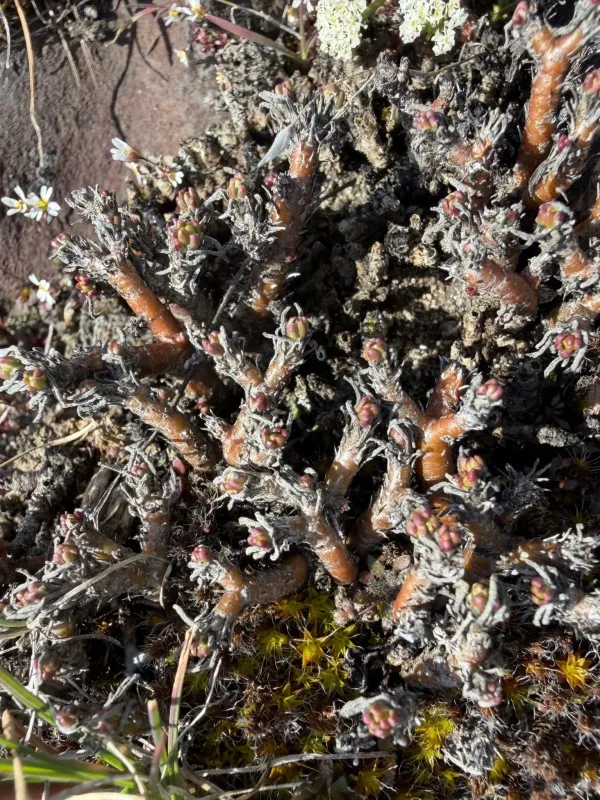
Description
Sowing dates
Sowing Phemeranthus seeds is best performed during the early spring season. The seeds are extremely small and should be sown on the surface of a well-draining, sandy-based seed starter mix, as they require light to germinate effectively.
Maintaining a consistent, light moisture level is crucial during the germination phase. Covering the seed tray with a clear plastic lid or glass can help create the necessary humidity, but it must be removed periodically to prevent fungal growth.
Temperatures ranging between 20 and 25 degrees Celsius are ideal for successful germination. Under these conditions, the first seedlings typically appear within two to three weeks, depending on seed freshness and ambient light exposure.
Once seedlings have developed their second set of true leaves, they can be carefully transplanted into individual small pots. Using a delicate touch is essential, as the root systems are quite fragile and prone to transplant shock.
Hardening off the young plants is a necessary step before moving them to their permanent outdoor locations. Gradually exposing them to direct sunlight and fluctuating outdoor temperatures over a ten-day period ensures a higher survival rate.
Growing requirements
Phemeranthus is a genus of succulent perennial herbs belonging to the Montiaceae family. These plants are biologically specialized to thrive in arid and semi-arid environments, utilizing their fleshy leaves as water reservoirs.
A primary requirement for healthy growth is a well-draining soil medium. Ideally, a mix of grit, coarse sand, and potting compost is recommended to ensure that moisture does not accumulate around the root crown, which could lead to decay.
The plants are strictly heliophilic, requiring maximum exposure to direct sunlight. When grown in shaded or low-light conditions, Phemeranthus will etiolate, resulting in weak, elongated stems that rarely produce flowers.
Watering protocols should mimic the natural desert cycles. The plants should be watered deeply but allowed to dry out completely between applications. During the winter dormancy period, watering should be significantly reduced or suspended entirely.
In terms of climate, Phemeranthus prefers warm, dry conditions. While it is hardy in many respects, it does not tolerate cold, wet winters, which makes pot cultivation common in temperate regions where the plant can be protected indoors.
Main diseases and pests
The most significant threat to Phemeranthus is root rot, which is almost always a result of overwatering or inadequate soil drainage. Prevention is focused on using highly porous substrates and avoiding standing water.
Mealybugs are common pests that hide within the tight leaf bases or around the flower buds. Regular inspection and the use of horticultural soap or systemic insecticides are effective ways to manage potential infestations.
Fungal pathogens can occasionally affect the foliage, particularly if the plants are placed in areas with stagnant air and high humidity. Improving airflow around the plants and avoiding overhead irrigation can mitigate these risks.
Snails and slugs can cause significant damage to young succulent leaves during damp weather. Using physical barriers like copper tape or crushed eggshells around the base of the plant can deter these pests effectively.
Nutrient deficiency is rarely an issue for this genus, but over-fertilizing with high-nitrogen products can cause rapid, succulent-like growth that is prone to physical damage and reduced pest resistance. Low-nitrogen fertilizer is preferred.