
Portulaca molokiniensis
Portulaca molokiniensis
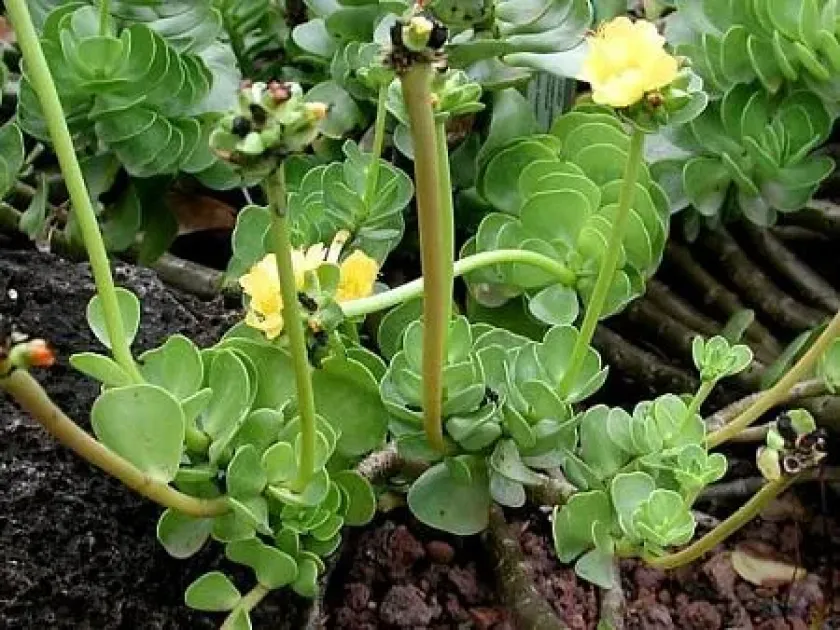
Description
Sowing dates
Propagating Portulaca molokiniensis is most effective through stem cuttings, which allow for rapid establishment of healthy new plants. The ideal time for taking cuttings is late spring or early summer, when the plant is in its peak vegetative growth phase.
For seed propagation, utilize a well-draining, porous substrate consisting primarily of sand and perlite. Surface sow the seeds lightly, ensuring they receive sufficient light, as light is a critical trigger for the germination process in this species.
Maintaining a constant temperature between 22 and 25 degrees Celsius is essential for successful seedling emergence. Humidity must be managed carefully; too much moisture can quickly lead to damping-off, a common fungal issue that affects delicate seedlings.
Once the seedlings develop several sets of true leaves, they should be carefully pricked out into individual pots. Using peat pellets or small-cell trays with excellent drainage will minimize root disturbance during the transplanting process.
Ensure that seedlings are gradually acclimated to stronger sunlight over several weeks. This hardening-off process prevents the succulent tissues from scorching, which is a common risk when moving plants from a germination environment to an open greenhouse.
Growing requirements
Portulaca molokiniensis is a distinct succulent species belonging to the Portulacaceae family, endemic to the islet of Molokini in Hawaii. Unlike ground-hugging species, it develops a thick, woody stem, earning it a place among the more structural succulent varieties.
To thrive, this plant requires high light intensity; it is a true sun-worshipper that will become etiolated and unsightly in shaded conditions. In climates outside its native range, cultivation in a bright greenhouse or a sun-drenched conservatory is strictly necessary.
The soil profile must be extremely lean and gritty. A commercial cactus and succulent mix amended with coarse grit or pumice ensures that the roots do not sit in saturated soil, which is the primary cause of decline for this Hawaiian native.
Watering strategy should mimic the dry, arid conditions of its natural habitat. Always allow the substrate to dry out completely between waterings, and significantly reduce water input during the winter dormant season to avoid root rot.
Temperature management is critical, as this species lacks frost tolerance. It should be kept in environments where temperatures do not drop below 10–12 degrees Celsius, ensuring that the plant stays dry if exposed to cooler winter conditions.
Main diseases and pests
Root rot is the most devastating threat to Portulaca molokiniensis, typically induced by poor drainage or overwatering. Once rot symptoms appear at the base of the woody stem, the prognosis for the plant is usually poor, necessitating immediate surgical removal of infected tissue.
Mealybugs represent a significant pest threat, often hiding in the dense rosettes and leaf axils. These pests drain sap from the plant and can facilitate the spread of secondary viral infections, making regular inspection a mandatory aspect of maintenance.
Spider mites may infest the plant during hot, dry summer months, leading to leaf discoloration and stunted growth. Increasing air circulation around the canopy helps to mitigate mite proliferation, as these pests prefer stagnant and arid environments.
Treatment for infestations involves using mild systemic insecticides that are compatible with succulents. It is crucial to test any chemical on a small portion of the plant first, as succulent skin can be sensitive to concentrated horticultural oils and soaps.
General hygiene, such as keeping the area around the base of the plant free from dead leaves and organic debris, significantly reduces the likelihood of fungal outbreaks. Clean tools and sterile pots are essential components of high-quality plant husbandry.