
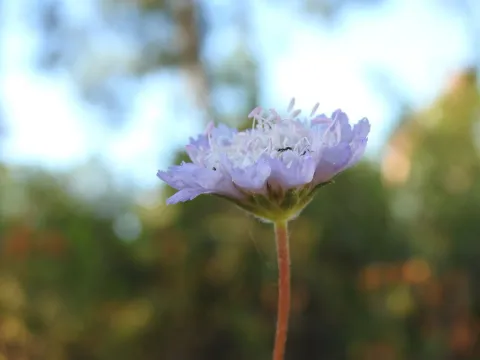
Pterocephalus intermedius
Pterocephalus intermedius
Pterocephalus intermedius belongs to the Caprifoliaceae family and is known for its distinct botanical traits, characterized by low-growing foliage and delicate inflorescences.
What the section contains
Pterocephalus intermedius
This species naturally originates from rocky, mountainous habitats, which dictates its preference for well-drained, nutrient-poor, yet mineral-rich substrates.
The plant performs best under full sunlight, requiring at least 6–8 hours of direct light daily to maintain its compact growth habit and ensure blooming.
Regarding soil requirements, it is essential to ensure excellent permeability, as stagnant water is lethal to the root system and promotes crown rot.
Annual maintenance involves clearing old growth in early spring to encourage fresh, vigorous foliage development throughout the active season.
The primary threats to Pterocephalus intermedius are fungal pathogens that thrive in humid and poorly ventilated conditions, such as root and crown rots.
Pests like aphids and spider mites can occasionally affect the plant, particularly during prolonged dry and hot weather cycles which stress the organism.
Prevention of these threats relies heavily on proper spacing between plants, ensuring adequate air circulation across the planting site.
Regular inspection of the plant's heart for signs of decay or mite infestation is recommended to allow for early intervention with integrated pest management.
Chemical control should be applied sparingly, following strict adherence to the label instructions for ornamental crops to avoid phytotoxicity.