
Red-stemmed purslane
Portulaca rubricaulis
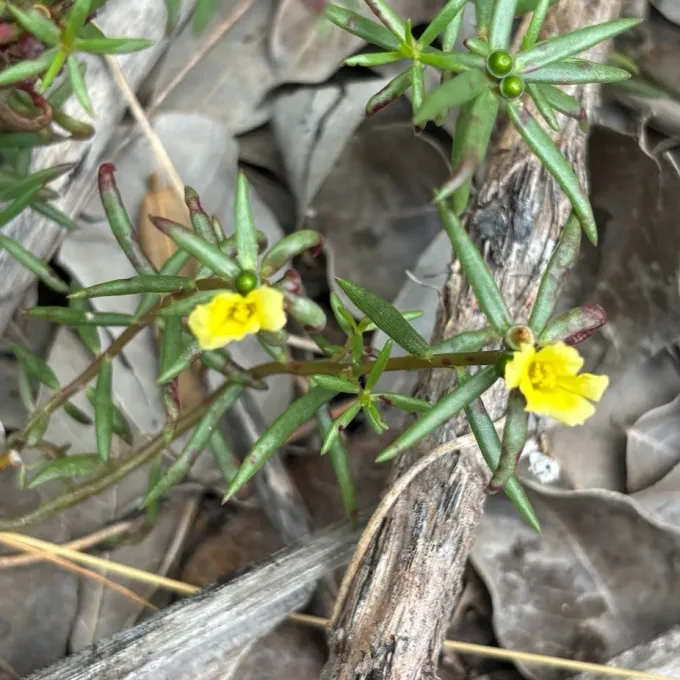
Description
Sowing dates
Red-stemmed purslane is a thermophilic crop that requires stable warm temperatures to germinate and thrive, typically planted after the risk of frost.
Sowing in open fields should be scheduled for late spring, ensuring soil temperatures have consistently reached at least 15 to 18 degrees Celsius.
For regions with shorter growing seasons, starting seeds in seedling trays indoors about a month before the planned outdoor planting date is recommended.
Seeds are exceptionally small and should be sown on the surface of the soil, pressed lightly, and left uncovered or lightly dusted with sand to receive light.
Adequate moisture must be maintained during the initial germination phase, as the seeds are sensitive to desiccation before the root system is established.
Growing requirements
Belonging to the Portulacaceae family, this plant is a succulent, well-adapted to high-light environments and capable of efficient water storage.
The ideal soil for this species is sandy or loamy, characterized by excellent drainage properties to prevent root decay caused by water saturation.
It thrives best in full sun, as insufficient light levels negatively impact both stem development and the nutritional concentration of the harvest.
The plant demonstrates notable drought tolerance, allowing it to perform well in hot climates where other leafy greens might require excessive irrigation.
Maintenance should focus on weed control, as the plant does not compete well with vigorous weeds for nutrients and space during the early vegetative stage.
Main diseases and pests
Root rot and stem necrosis are the primary pathological threats, usually triggered by excessive irrigation or poorly drained soil conditions.
Aphids can occasionally infest young shoots, necessitating mechanical control or the use of approved organic pesticides if infestation levels are high.
The crop is susceptible to fungal issues if airflow is restricted, so planting at appropriate densities is crucial for maintaining a healthy field.
Wireworms and other soil-borne insects may damage the root system in younger plants, warranting proper field preparation before the planting season begins.
Integrated pest management, including regular crop inspection and field hygiene, is essential for minimizing losses and maintaining high product quality.
Harvesting
Harvesting is typically performed as a selective harvest, cutting back individual stems to promote branching and a continuous supply of fresh biomass.
The optimal harvest size is reached when the stems are succulent and measure roughly 10 to 15 centimeters in length, ensuring peak flavor and tenderness.
Harvesting should occur during the early morning hours when the plant tissues are fully turgid, which significantly enhances the post-harvest shelf life.
Once harvested, the produce should be placed in clean containers and moved out of direct sunlight immediately to prevent rapid dehydration and quality loss.
Due to the high water content within the red stems, the produce should be consumed or distributed within 24 to 48 hours for the best market presentation.