
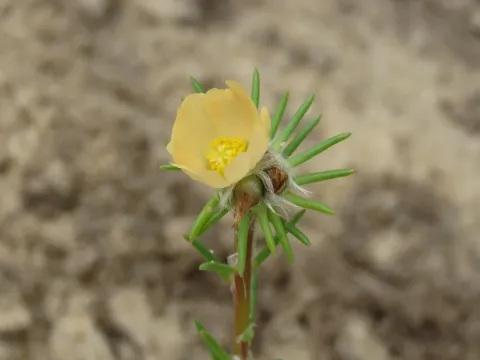
High purslane
Portulaca elatior
High purslane is a heat-loving species that requires specific temperature conditions for optimal germination and early development of the crop.
What the section contains
High purslane
Sowing in the field should only occur once the risk of spring frost has completely passed and the soil has warmed up to at least 15–18 degrees Celsius.
Using a greenhouse for starter plants can be highly beneficial in temperate climates, allowing gardeners to transplant seedlings after they develop two true leaves.
The seeds are extremely fine, which necessitates shallow planting; they should be lightly pressed into the soil surface rather than buried deeply.
Spacing is critical for this species; maintaining a distance of 25 to 30 centimeters between rows ensures adequate airflow and prevents foliage overcrowding.
As a member of the Portulacaceae family, this plant is well-adapted to environments that offer plenty of direct sunlight and well-drained soil conditions.
The crop thrives in light, sandy-loam soils that are slightly acidic or neutral, providing the necessary aeration for root system development.
While the plant exhibits drought tolerance, regular watering during the main growing phase will significantly improve leaf texture and overall biomass.
Poorly drained or heavy clay soils are detrimental, as they encourage root rot and significantly inhibit the plant's natural growth rate.
High purslane performs best when protected from extreme humidity; good air circulation in the garden bed is essential to maintain plant health throughout the season.
High purslane is known for its fast growth cycle, which makes it a highly productive crop capable of yielding multiple harvests in a single season.
The total yield per square meter depends largely on the frequency of nitrogen-rich fertilization during the initial stages of vegetative growth.
Proper harvest management, where stems are carefully cut to leave the growing point intact, allows for a rapid regeneration of leaves.
Using organic mulching can boost production by maintaining soil moisture and temperature stability during fluctuating weather conditions.
By optimizing planting times and ensuring adequate sunlight, commercial growers can significantly increase the total seasonal output of this succulent crop.
Common agricultural threats include soil-dwelling insects like wireworms, which can cause significant damage to the roots of young seedlings.
Fungal pathogens such as powdery mildew may develop if the planting density is too high or if there is excessive moisture trapped within the foliage.
Aphids can occasionally colonize the soft, succulent tips of the plant, especially in arid conditions, potentially damaging the aesthetic quality of the leaves.
Integrated pest management, including the use of biological control agents, is recommended to protect the crop without leaving harmful chemical residues.
Maintaining good hygiene by removing crop debris and practicing proper rotation helps to minimize the risk of recurring soil-borne diseases.
The harvest phase typically begins 40–50 days post-seeding, once the plants exhibit a lush, dense habit of succulent green leaves.
For best results, harvests should be carried out early in the morning, which helps preserve the moisture content and nutritional integrity of the leaves.
Clean, sharp tools should be used for cutting, ensuring that no ragged edges are left which could become entry points for secondary infections.
Once harvested, the greens should be placed in a cool, ventilated area to prevent overheating and wilting before they reach the market or kitchen.
Post-harvest storage at temperatures of 3–5 degrees Celsius is ideal if the produce needs to be kept for several days before consumption.