
Phemeranthus
Phemeranthus hybrids
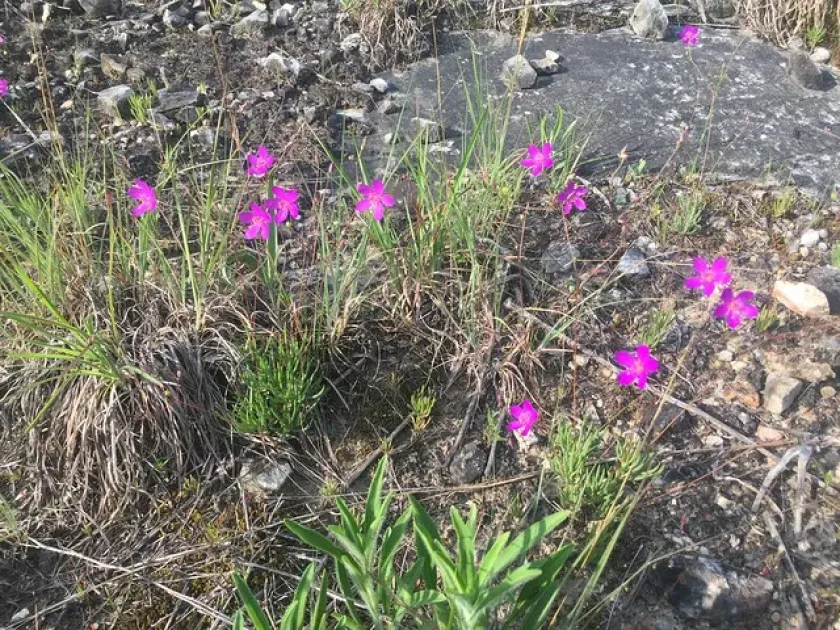
Description
Sowing dates
Phemeranthus seeds are typically sown during the spring season when soil temperatures reach 18–20 degrees Celsius.
The seeds are exceptionally small, requiring a shallow sowing technique where they are pressed lightly into the substrate surface.
Covering the containers with transparent film helps maintain the microclimate necessary for uniform germination of these succulent seeds.
Transplanting into open ground should only occur once all danger of frost has passed and the ambient temperature has stabilized.
Consistency in moisture is critical during the initial growth phase, as drying out the substrate can halt development prematurely.
Growing requirements
A member of the Montiaceae family, Phemeranthus is a resilient succulent that thrives in full sun and well-ventilated environments.
The plant requires sandy or rocky soil types that provide excellent drainage, preventing any accumulation of excess moisture.
It displays remarkable drought tolerance, storing water within its succulent leaves and tuberous root structures for extended dry periods.
Proper drainage is the most vital requirement, as root rot is a major risk if the soil remains waterlogged for prolonged periods.
These plants are highly adapted to harsh environments characterized by significant diurnal temperature fluctuations and high UV exposure.
Main diseases and pests
The primary threat to Phemeranthus is excessive soil moisture, which rapidly leads to the proliferation of pathogenic fungi and root rot.
High humidity levels can encourage the development of powdery mildew on foliage, necessitating the use of targeted fungicide treatments.
Pests such as aphids and spider mites are common concerns, particularly when the plants are stressed by inadequate watering regimes.
Soil-borne insects, including wireworms, can damage the tuberous roots, requiring careful site preparation and weed control.
Maintaining adequate space between plants is essential to ensure proper airflow and minimize the risk of spreading infections.
Harvesting
Commercial utilization of Phemeranthus is primarily focused on the production of quality planting stock for ornamental purposes.
Seed harvesting is conducted once the capsules have fully ripened and dried to ensure maximum viability of the collected seeds.
Tuber propagation involves careful division of the plant base during the dormancy period, ensuring that each segment remains intact.
Stored seeds must be kept in cool, dry conditions with adequate air circulation to prevent mold formation and maintain seed longevity.
- Use sharp, sterilized shears for root division tasks.
- Label all collected seed batches to ensure tracking of varieties.
- Maintain stable storage temperatures to maximize germination rates.