
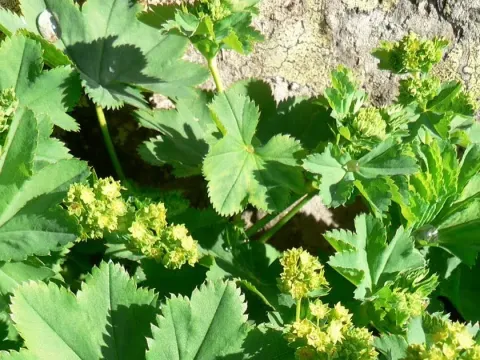
Pyrenean lady's mantle
Alchemilla pyrenaica
Pyrenean lady's mantle is a hardy perennial belonging to the Rosaceae family. In agricultural and ornamental practice, it is primarily propagated by seeds or by dividing mature clumps during the early spring season.
What the section contains
Pyrenean lady's mantle
Sowing seeds directly into the open ground is best performed in late autumn. Natural stratification during winter months is crucial for breaking seed dormancy and ensuring uniform germination in spring.
For spring sowing, seeds require an artificial cold stratification period of at least four weeks in a refrigerator. After this treatment, they are sown into a light, well-draining seed starting mix.
Seedlings should be kept in an area with a consistent temperature of around 15–18 degrees Celsius. Pricking out is performed as soon as the first pair of true leaves is fully developed to promote root growth.
Transplanting into the permanent garden bed should follow a spacing of 30 centimeters apart. This density allows the plant to form a beautiful, solid foliage mat that naturally suppresses weed competition.
As an alpine native, this plant thrives in open, sunny locations but also displays excellent adaptability to partial shade. In regions with intense summer heat, partial shade is recommended to preserve leaf color.
The species is not demanding regarding soil fertility, but it performs best in moist, well-drained loamy soils. Good drainage is vital, as the crown of the plant is susceptible to rot in waterlogged conditions.
The plant demonstrates high winter hardiness, allowing it to withstand severe frost without protection. It emerges vigorously as soon as the snow melts, showcasing its resilience in cold climates.
During the active growing season, consistent moisture is required for optimal development. While it prefers moist soil, it is essential to avoid over-irrigation that leads to stagnant water around the roots.
Applying organic mulch or compost in early spring provides sufficient nutrients for the season. Minimal fertilization is generally enough to maintain a healthy and lush appearance throughout the year.
The primary use of Pyrenean lady's mantle is ornamental landscaping. Its ability to form low-growing, dense rosettes makes it a perfect choice for rock gardens, border edging, and alpine plant collections.
Beyond its aesthetic appeal, it serves as an effective ground cover. Its dense root system and foliage protect the soil surface from erosion and moisture loss, acting as a living mulch in flower beds.
The plant is highly valued for its dew-collecting properties, where water droplets bead up on its leaves. This unique visual effect adds dynamic beauty to garden landscapes, especially in the early morning.
In horticultural ecosystems, it functions as a beneficial nectar source for pollinators. Encouraging this plant in a garden supports local biodiversity by attracting bees and butterflies during the flowering period.
The foliage remains attractive for the entire season. By managing growth through proper spacing, gardeners can achieve high ground coverage with very low maintenance requirements over several years.
Pyrenean lady's mantle is generally resistant to pests and diseases. However, improper drainage or overcrowding can occasionally lead to powdery mildew, which appears as a white dust on the foliage.
Root rot is the most serious threat, typically triggered by prolonged overwatering. Ensuring the planting site has adequate drainage and allowing the soil to dry slightly between waterings is the best prevention.
Slugs and snails may damage the soft leaves during wet weather. Gardeners can use physical barriers or organic pest control methods if these mollusks become an issue for young, vulnerable plants.
Leaf spot fungi can occur in humid environments with poor air circulation. Removal of affected leaves and thinning of the plants usually corrects the problem without the need for chemical intervention.
Overall, the plant is remarkably robust. By providing appropriate site conditions, the need for pesticides or fungicides is practically eliminated, making it an excellent choice for low-impact gardening.
Seed harvesting should take place in late summer when the fruit capsules turn brown. The stems are clipped and dried in a shaded, well-ventilated area before being threshed for seed extraction.
Deadheading spent flower stalks is recommended to maintain a tidy appearance. This also prevents unwanted self-seeding and encourages the plant to direct its energy into developing new foliage.
For those interested in dried arrangements, stems should be harvested at the peak of flowering. They should be hung upside down in a cool, dark room to retain their shape and delicate coloration.
Autumn maintenance involves clearing away dead foliage and debris to prepare the plant for winter dormancy. This promotes healthy growth when the plant emerges from the soil the following spring.
Regular spring cleaning of the plant base allows for early detection of any emerging issues and ensures that the plant remains healthy and vigorous throughout its multi-year lifespan in the garden.