
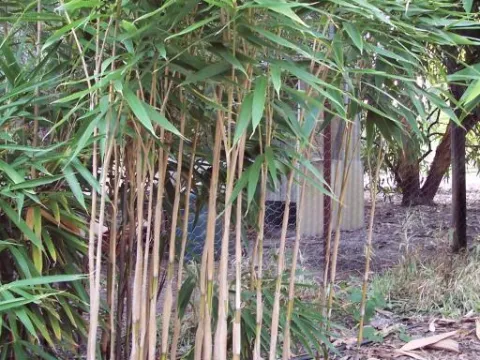
Purple Pseudosasa
Pseudosasa purpurascens
Purple Pseudosasa (Pseudosasa purpurascens) is a perennial evergreen bamboo species belonging to the Poaceae family. Known for its elegant growth habit and characteristic purple-tinted culms, it is a popular choice for specialized landscape designs and botanical collections.
What the section contains
Purple Pseudosasa
Originating from the temperate and subtropical regions of East Asia, this plant has adapted to diverse environments. It thrives in locations that replicate its native forest floor conditions, providing both moisture and a degree of shelter from harsh elements.
The climate requirements include moderate temperatures and high humidity levels. While it shows good cold tolerance in sheltered spots, it is essential to protect the bamboo from severe winter winds that can cause dehydration and necrosis of the narrow leaves.
Soil conditions are critical for the health of Pseudosasa purpurascens. The plant performs best in well-draining, nutrient-rich loamy soils with a slightly acidic to neutral pH. Proper soil aeration is necessary to support the vigorous rhizome network.
The primary horticultural uses of this bamboo involve creating dense visual screens, erosion control on slopes, and adding an exotic touch to garden borders. Its capacity to spread makes it ideal for naturalizing in appropriate outdoor spaces.
The main pests affecting Purple Pseudosasa include spider mites and scale insects. These pests often thrive in hot and dry conditions, leading to leaf yellowing and a decrease in the overall vigor of the bamboo colony if left unchecked.
Fungal diseases, such as leaf spot and rust, are frequent threats, particularly when the bamboo is planted in dense clusters with poor air circulation. These pathogens exploit the stagnant microclimate within the leaves to spread effectively.
Preventative measures involve regular pruning of dead or diseased culms to ensure adequate airflow. Maintaining appropriate spacing between plants during the initial planting phase is a fundamental practice to prevent the rapid spread of fungal spores.
Root rot is a common issue linked to poor drainage or overwatering. By incorporating organic matter and coarse grit into the soil, growers can ensure that excess moisture drains away, significantly reducing the risk of root-zone damage.
Integrated pest management strategies are recommended, focusing on early detection and biological control methods. If chemical intervention is necessary, it should be limited to targeted applications during the active growing season to ensure plant safety.