
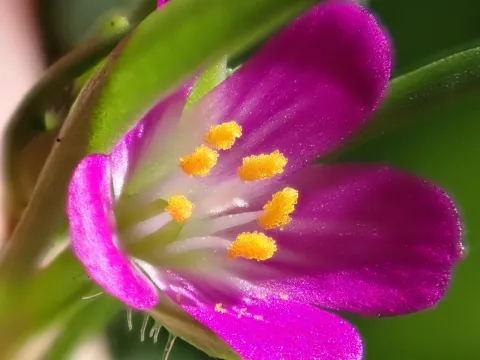
Monocosmia
Monocosmia
The sowing of Monocosmia is carried out in early spring, once the soil temperature reaches 8–10 degrees Celsius. Adequate soil moisture is a crucial factor, as the seeds require consistent contact with the ground for uniform germination and establishment.
What the section contains

Monocosmia
The sowing technology involves row planting with spacing ranging from 15 to 30 centimeters. Seeds should be planted at a depth of 2 to 3 centimeters, which provides optimal conditions for the seedlings to emerge rapidly and establish a strong root system.
In regions with fluctuating spring temperatures, using pelleted seeds is recommended to enhance germination vigor. Seeding rates are adjusted based on the specific cultivation goal, such as biomass production versus seed propagation, to ensure optimal density.
Proper soil preparation is essential, involving deep plowing followed by thorough harrowing to remove weeds and create a fine-textured seedbed. Monocosmia is sensitive to weed competition during the early stages, making precise seedbed preparation highly important.
In a standard crop rotation, Monocosmia is typically planted after cereals, allowing for efficient use of residual moisture. Adhering to the recommended sowing schedule helps mitigate the risks of early-stage pest pressure and ensures robust plant development.
Monocosmia, a member of the Amaranthaceae family, thrives in well-drained, fertile soils with a neutral or slightly alkaline pH. The plant shows moderate salt tolerance, which makes it suitable for cultivation in reclaimed or saline-affected agricultural lands.
This crop is heliophilic, requiring open areas with full sun exposure to maximize biomass accumulation. Insufficient light can lead to spindly growth and reduced overall productivity, necessitating careful site selection during the planning phase.
The ideal temperature range for Monocosmia growth is 20–25 degrees Celsius. The crop is well-adapted to temperate climates but requires a stable thermal environment to ensure continuous vegetative growth throughout the growing season.
Water requirements are moderate, as the plant possesses a well-developed root system capable of accessing water from deeper soil horizons. Nevertheless, maintaining stable moisture levels during critical developmental stages is vital to prevent plant stress.
Balanced fertilization, particularly with nitrogen and phosphorus, significantly improves yield. A planned nutrient management strategy ensures that the crop develops healthily and produces high-quality biomass consistently across the field.
Soil-dwelling pests, such as wireworms and false wireworms, pose the most significant threat to Monocosmia, particularly during the early stages of development. Proactive seed treatment is an effective measure to protect the crop from early infestation.
High humidity and poor air circulation within the canopy can lead to fungal infections, including root rot or powdery mildew. Preventing canopy overcrowding and ensuring adequate spacing are key strategies for managing disease pressure naturally.
Weeds are strong competitors for nutrients and water, especially during the first month of growth. Mechanical weeding between rows not only controls invasive plants but also improves soil aeration, which benefits root health and vigor.
Insect pests can damage foliage during peak growth phases, reducing the plant's photosynthetic efficiency. Regular scouting and monitoring allow for timely interventions, often utilizing biological control methods to minimize reliance on chemical inputs.
Integrating crop rotation and selecting disease-resistant cultivars are essential practices for long-term health. By preventing the buildup of soil-borne pathogens, growers can maintain high productivity while ensuring the sustainability of the agricultural system.