
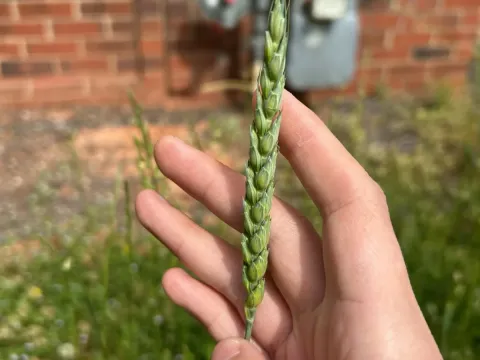
Soft wheat
Triticum aestivum L. subsp. aestivum
The sowing dates for soft wheat (Triticum aestivum) depend on the variety type: winter or spring. Winter wheat is sown in autumn, 40–50 days before the onset of permanent cold weather, allowing the plants to tillering stage and accumulate sufficient sugars for winter survival.
What the section contains
Soft wheat
Spring wheat is sown as early as possible, as soon as the soil is dry enough for mechanical tillage. This is crucial for maximizing the use of winter moisture, as delayed sowing can significantly reduce potential yields by preventing proper crop establishment.
Seeding depth varies based on soil texture and moisture conditions. In heavy clay soils, an optimal depth is 3–4 cm, while in light sandy soils, 5–6 cm is preferred to protect germinating seeds from drying out in the surface layer.
The seeding rate is calculated based on the variety's potential, thousand-kernel weight, and germination capacity. Intensive varieties usually require 4–5 million viable seeds per hectare to ensure optimal crop density.
Preparing a leveled seedbed with a firm base is essential for successful sowing, as it ensures capillary water movement to the seeds and promotes uniform emergence across the field.
Soft wheat is a member of the Poaceae family and is adapted to temperate climates. It has high moisture requirements during the booting and heading stages, which are critical periods for yield formation.
The most suitable soils are chernozems and dark-colored soils with a deep humus layer and a neutral or slightly alkaline pH. The crop is sensitive to soil acidity, requiring liming if the pH drops significantly.
The temperature regime is vital, especially during grain filling. Extreme heat above 30 degrees Celsius can cause premature ripening and shriveled grains, drastically reducing both quality and harvest weight.
Crop rotation is fundamental in wheat agronomy. It should not be grown in continuous monoculture to prevent the buildup of soil-borne pathogens and pests specific to the species.
Fertilization management should be based on soil analysis. Nitrogen, phosphorus, and potassium are essential, with split nitrogen applications during the tillering and stem elongation phases proving most effective for enhancing protein content.
The average yield for soft wheat varies from 3 to 6 tons per hectare, though modern intensive varieties can reach 8 to 10 tons under optimal conditions and precise management.
Yield is heavily dependent on the number of productive spikes per square meter at harvest time. A target density is generally between 500 and 600 spikes per square meter to maximize sunlight capture.
Environmental factors during the grain-filling stage are the primary constraints. Drought or excessive heat during this time can significantly limit the realization of the crop's genetic potential.
Precision agriculture technologies allow for variable-rate fertilizer application, which helps in balancing nutrient levels across the field and stabilizing yield performance in heterogeneous areas.
Effective weed management is essential early in the season, as weeds compete for light and nutrients, which can permanently stunt the growth of young wheat plants and reduce total grain output.
Soft wheat is susceptible to various fungal diseases, including powdery mildew, rusts (leaf and stem), and Fusarium head blight. An integrated protection strategy involving seed treatment and foliar fungicides is standard.
Pests such as cereal flies, sunn pests, and cereal leaf beetles pose significant threats. The sunn pest is particularly dangerous, as its enzymes degrade gluten, rendering the grain unsuitable for baking.
Monitoring the field for pest threshold levels is essential for making informed decisions on chemical interventions, ensuring cost-effectiveness while minimizing the impact on beneficial insects.
Cultural control methods, such as removing crop residues and choosing resistant varieties, play a vital role in reducing the pressure of both diseases and pests throughout the growing season.
- Systemic fungicides to control leaf spots and rusts.
- Insecticides for managing sucking and chewing insect pests.
- Herbicides for controlling broadleaf and grassy weeds.
- Seed treatments to protect against soil-borne pathogens.
- Growth regulators to prevent lodging in dense crops.
Harvesting is performed at full maturity when grain moisture drops to 14–16%, ensuring the grain can be stored safely without the risk of spoilage or the need for extensive drying.
Direct combining is the most common method, provided the crop has ripened uniformly. Swathing (windrowing) may be used if the field is uneven or heavily infested with weeds.
Timing is critical; harvest should be completed within a 7–10 day window once maturity is reached to avoid significant grain losses due to shattering and weather-related quality degradation.
Proper combine settings are essential to minimize mechanical damage to the kernels, as fractured grains are more prone to infection during storage and have lower germination rates.
Post-harvest cleaning and drying are final steps to ensure the grain meets standard market moisture levels, preventing heating and fungal growth during long-term storage in silos.