
Spelt wheat
Triticum aestivum L. subsp. spelta (L.) Thell.
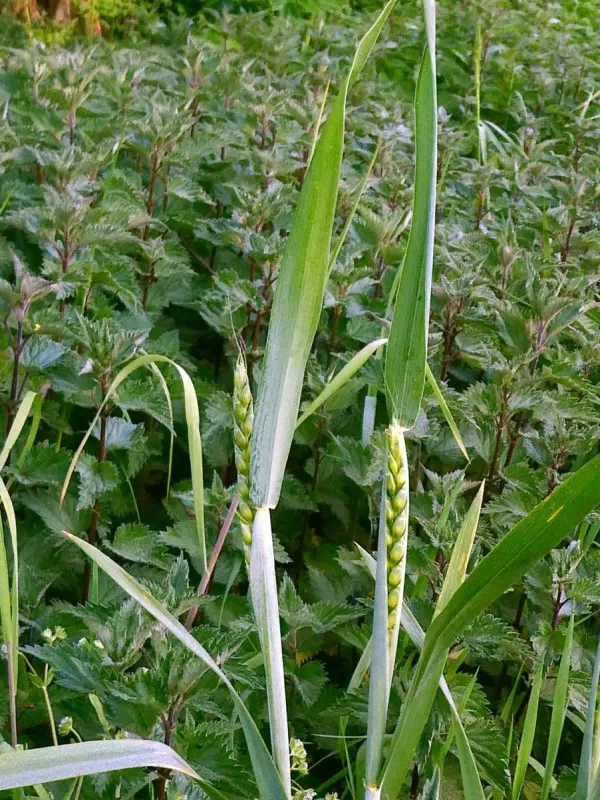
Description
Sowing dates
Spelt wheat is primarily a winter crop, with the ideal sowing period occurring from mid-September to early October. It is crucial to seed at a time that allows the plants to establish and undergo tillering before the onset of hard winter frosts.
The seeding rate for spelt is typically higher than that of common wheat because the grain is encased in a protective husk, requiring consideration for the total volume of the planting material per hectare.
The sowing depth depends on soil texture and moisture levels. In light soils, seeds should be sown at 5-6 cm deep, while in heavier loams, 3-4 cm is sufficient to ensure uniform germination and strong root formation.
Spelt exhibits high vigor during germination, allowing the crop to compete effectively with weeds in the early stages of development. Early autumn sowing promotes a robust root system, which is essential for winter survival.
Crop rotation is vital for success with spelt. It performs best following legumes, potatoes, or annual grasses, which improve soil structure and leave the field in good condition for the cereal crop.
Growing requirements
Spelt (Triticum aestivum L. subsp. spelta) belongs to the Poaceae family and is an ancient subspecies of wheat known for its exceptional environmental adaptability. It thrives in diverse climates and is highly resilient to harsh conditions.
The crop is relatively undemanding regarding soil fertility, performing well in loamy and podzolic soils with neutral or slightly acidic pH levels. It responds very positively to organic fertilizers and natural soil enrichment.
Climate requirements include tolerance to significant temperature fluctuations and prolonged cold spring weather. Spelt is renowned for its excellent cold hardiness, making it an ideal choice for regions with severe winters.
Spelt agronomy is characterized by minimal intervention, making it a perfect candidate for organic farming systems. It requires good aeration and a well-structured soil profile to support its extensive root system.
Moisture is critical during the stem elongation and heading phases. Due to its deep and branched root system, spelt can effectively utilize available soil moisture even during moderate dry spells without significant yield drops.
Yield
The yield of spelt generally ranges from 3 to 5 tons per hectare, depending on local soil conditions and management practices. While slightly lower than modern intensive wheat varieties, the grain quality justifies its cultivation.
Yield stability is a key trait of spelt, as it is less susceptible to degeneration than high-input hybrid varieties. This makes it a reliable crop for sustainable and ecological farming models.
To maximize yields, it is important to avoid excessive nitrogen fertilization, which can cause lodging due to the crop’s naturally tall stems. Balanced nutrition is key to sustaining productivity.
The use of high-quality seeds with a good 1000-kernel weight is essential for establishing a dense and productive stand. Proper density helps to naturally suppress weeds and optimize sunlight capture.
In organic production, yields remain consistent over time because the crop is naturally resistant to many pressures that often degrade intensive wheat varieties over successive generations.
Main diseases and pests
Spelt has strong genetic resistance to many fungal diseases such as powdery mildew, brown rust, and various smuts. The thick husk acts as an additional physical barrier against pathogen penetration.
Pests like grain aphids and sunn pests pose less of a threat to spelt compared to other wheat types, largely due to the specific chemical and structural properties of its stalks and husks.
Root rot remains a concern if crop rotation is ignored. A minimum interval of 3-4 years between spelt crops on the same field is necessary to disrupt the life cycle of soil-borne pathogens.
Humid conditions during grain filling can promote fusarium head blight. Prevention focuses on good field management, including ensuring the crop canopy is not overly dense to allow for adequate ventilation.
Weed control is primarily achieved through mechanical methods, such as harrowing during the tillering stage. This approach effectively removes weeds while maintaining the organic integrity of the crop.
Harvesting
Harvesting should occur at full maturity, when grain moisture drops to 14-16%. As the grain is husked, timing is crucial to prevent pre-harvest sprouting during wet weather conditions.
Combines must be adjusted specifically for spelt, using lower drum speeds to ensure the husks are removed without damaging the grain embryo inside. Precise settings are essential to reduce mechanical stress.
Post-harvest processing involves thorough cleaning of the harvested material to remove chaff and debris. Specialized de-hulling equipment is required to strip the protective husks from the kernels before final processing.
Storing spelt in its husks is an excellent preservation strategy, as the shell acts as a natural barrier against storage pests and moisture variations, keeping the grain fresh for longer periods.
Spelt is used in the production of high-quality flour for bakery products, health foods, specialty breakfast cereals, and as a premium ingredient in animal feed formulations.