
Einkorn
Triticum monococcum L.
Description
Sowing dates
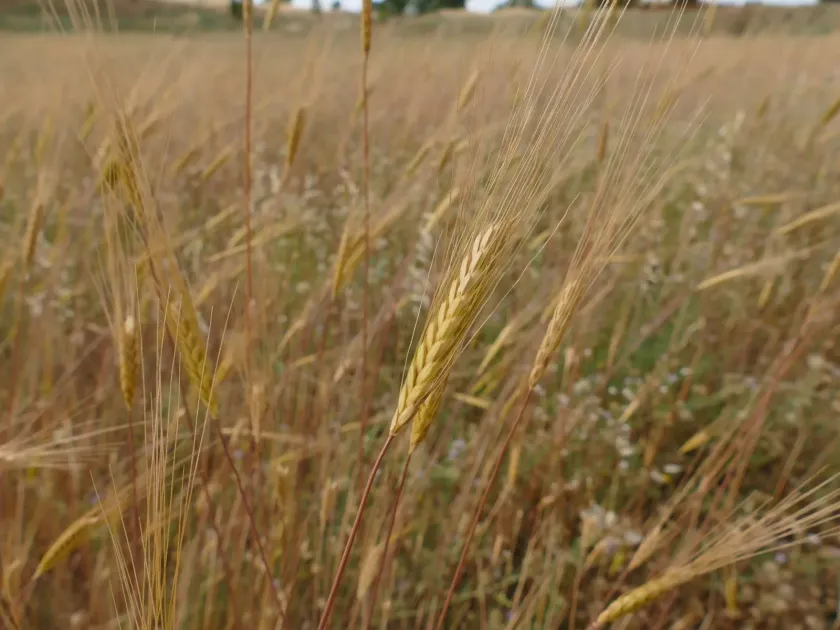
Einkorn (Triticum monococcum L.) is one of the earliest domesticated forms of wheat, belonging to the Poaceae family. Originating from the Fertile Crescent, it served as a fundamental food source for ancient civilizations in the Neolithic period, representing the earliest steps in human agricultural development.
Sowing dates for einkorn depend on the specific variety, as both winter and spring types exist. Winter einkorn is typically sown in late summer or autumn to ensure the plants undergo the necessary vernalization and tillering processes before the onset of winter frost.
Spring varieties should be sown as early as soil conditions allow, typically when the ground reaches a temperature of 3-5 degrees Celsius. Early sowing is crucial for einkorn to maximize the utilization of spring moisture, which facilitates robust root system establishment.
The optimal seeding depth ranges from 3 to 5 centimeters, depending on soil texture and moisture availability. A seeding rate of approximately 150-200 kg per hectare is recommended to achieve a dense stand, which serves as a natural defense against weed infestation during the early growth stages.
Crop rotation is essential for einkorn management. Following legumes or fallow periods is highly beneficial, as these precursors improve soil structure and nitrogen content, creating a favorable nutrient environment for the crop to flourish throughout its vegetative cycle.
Growing requirements
Einkorn is highly valued for its adaptability to diverse environments and its ability to thrive on poor, rocky, or marginal soils where modern high-yield wheat varieties would fail. Its efficient nutrient uptake makes it a top choice for low-input agricultural systems.
The plant exhibits remarkable resilience to harsh weather conditions, including drought and extreme temperature fluctuations. Its deep and expansive root system enables the plant to access moisture from deeper soil layers, proving its reliability in regions characterized by challenging climatic profiles.
Einkorn has moderate soil fertility requirements. Excessive application of nitrogen fertilizers is generally discouraged, as it can lead to stem lodging, reduced grain quality, and increased susceptibility to physiological disorders, ultimately undermining the benefits of this unique crop.
Sufficient light exposure is vital for einkorn development. Because the plant is sensitive to shading, selecting an open field site is essential. Its morphological structure and competitive growth allow it to suppress weed pressure effectively when provided with optimal growing space.
In organic farming, einkorn is regarded as an ideal crop due to its genetic hardiness. It does not require synthetic fertilizers or herbicides, as its biological traits provide natural defense mechanisms that allow it to maintain steady yields while promoting ecological sustainability.
Yield
Einkorn yields are generally lower compared to modern hexaploid bread wheat, a consequence of its primitive and small ear structure. However, this lower volume is balanced by its exceptional nutritional profile and high demand in the burgeoning market for specialty ancient grains.
Average yields typically range from 1.5 to 3 tons per hectare under standard cultivation practices. While intensive management can enhance productivity, the genetic potential of the crop is focused on quality, nutrient density, and stress tolerance rather than sheer biomass accumulation.
The harvested grain remains encased in a tough, hull-like glume (husk), which necessitates an extra step of dehulling during post-harvest processing. This feature serves as a protective barrier against insects, contributing to the grain's superior storability compared to naked wheat.
Einkorn is utilized in a variety of high-value applications, including whole-grain flours, artisan bakery products, gourmet cereals, and unique beer production. Its chemical composition, rich in antioxidants and carotenoids, makes it a premium raw material for functional foods.
As research continues, einkorn remains a key genetic resource for plant breeding. Its ability to withstand environmental stress and its unique gluten structure provide important insights for developing more resilient and healthier agricultural crops for the future.
Main diseases and pests
Due to its protective hull and robust biological makeup, einkorn is naturally resistant to many pathogens that frequently affect modern wheat, such as Fusarium head blight and certain types of smut. This natural immunity significantly simplifies integrated pest management strategies.
However, under conditions of persistent high humidity, einkorn may be susceptible to powdery mildew or rust diseases. Proactive management, including maintaining proper field ventilation and strictly adhering to crop rotation, is essential to minimize the risk of infection.
Pests like grain beetles, bugs, and cereal flies can occasionally cause damage, yet einkorn often exhibits high tolerance or avoidance behaviors. Its unique growth cycle often helps it mature before the peak activity periods of these harmful pests, protecting the grain from major infestations.
Inadequate agronomic practices, such as poor drainage or excessive soil compaction, can compromise plant immunity and increase the risk of root rots. Regular field monitoring and the use of healthy, high-quality, certified seeds are the best strategies to ensure a clean harvest.
For organic growers, biological control measures using beneficial bacteria or fungi are highly effective. These treatments enhance the plant's internal defense systems, ensuring crop health without the need for synthetic chemicals, thus preserving the purity of the einkorn product.
Harvesting
Harvesting einkorn requires precision, as the crop is prone to shedding if left too long in the field. The optimal harvest window is at the hard dough stage, when the grain is fully formed and the moisture content allows for efficient threshing without shattering.
Combines should be adjusted for gentle threshing to avoid damaging the tough glumes protecting the kernels. Proper settings are critical, as grain breakage during harvest can lead to quality degradation and reduce the suitability of the grain for human consumption or long-term storage.
Immediate post-harvest drying is essential, with the goal of reducing moisture content to approximately 12-14%. Proper drying prevents the development of mold and ensures the grain remains stable throughout the storage period, maintaining its viability and nutritional integrity.
Dehulling is a critical post-harvest step that requires specialized machinery designed to remove the hulls without crushing the kernel. This careful processing ensures the delivery of high-quality whole grains that are highly sought after by health-conscious consumers.
When stored in clean, cool, and dry facilities, einkorn grain can maintain its nutritional quality for several years. This exceptional shelf life makes it a valuable asset for food security and a profitable niche crop for sustainable agricultural enterprises.