
Club wheat
Triticum aestivum L. subsp. compactum (Host) Mackey
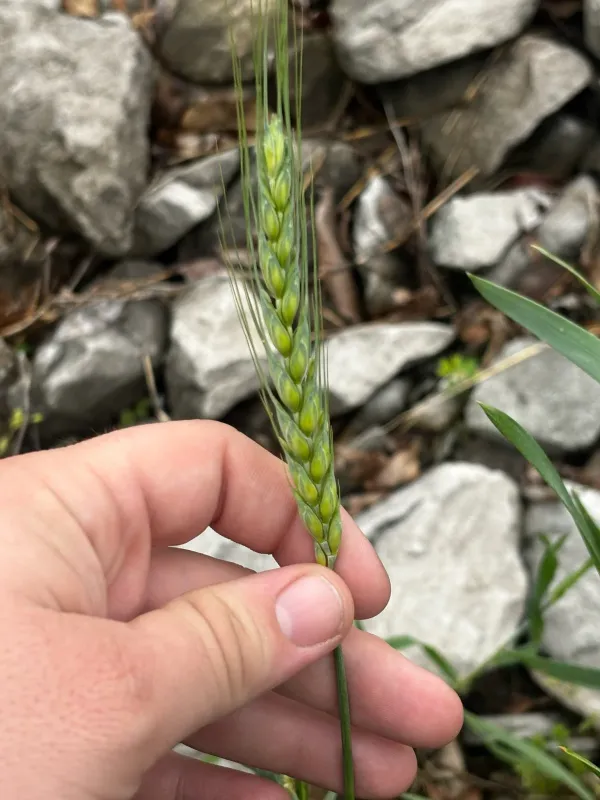
Description
Sowing dates
Club wheat (Triticum aestivum subsp. compactum) is typically sown in autumn for winter varieties or in early spring for spring types, depending on the climatic region. The optimal sowing date is determined by soil temperature reaching 5–8 degrees Celsius at the seeding depth.
Proper seeding depth, generally between 3 and 5 centimeters, is critical for ensuring good contact between the seed and moist soil. This promotes uniform germination and the development of a robust root system, which is essential for surviving winter conditions or early heat.
Seeding rates are calculated based on the germination energy of the seed and the fertility of the field. Traditional row or narrow-row spacing is used to optimize the plant density, ensuring efficient use of soil nutrients and minimizing weed competition.
Crop rotation is a fundamental practice for successful cultivation. Planting club wheat after legumes or fallow ground helps maintain soil health and reduces the pressure from soil-borne pathogens that might otherwise hinder growth.
In regions prone to drought, immediate sowing following rainfall is recommended. This allows the seeds to utilize soil moisture effectively, enabling the plants to establish themselves before the onset of more challenging seasonal conditions.
Growing requirements
Club wheat, a member of the Poaceae family, is highly adaptable but thrives best in temperate climates. It prefers regions with stable weather patterns and adequate, well-distributed rainfall throughout the growing season.
The crop requires fertile, well-structured soils, ideally neutral or slightly alkaline. It performs exceptionally well in chernozem or chestnut soils, provided that drainage is adequate to prevent waterlogging, which can be detrimental to root health.
Abundant sunlight is necessary, particularly during the booting and heading stages. Proper exposure to solar radiation ensures strong stem development and consistent grain filling, which are vital for achieving high-quality yields.
Fertilization should be balanced, focusing on nitrogen during the tillering stage and phosphorus-potassium application before sowing to support root growth. Controlled nutrient management helps maintain the density of the ear, which is a signature characteristic of this subspecies.
While known for its moderate drought tolerance, club wheat responds positively to consistent moisture during the critical phases of development. Proper soil moisture management can significantly influence the plant's ability to fill the compact ears effectively.
Yield
The yield of club wheat is largely determined by the density of the grain within the head. Because the ears are short and compact, achieving an optimal number of productive tillers per square meter is essential for maximizing harvest volumes.
Technological advancements in wheat cultivation allow farmers to monitor crop progress and apply precision nutrient management. This ensures that the potential of the variety is fully realized, resulting in consistent and high-quality grain production.
The genetic potential of the specific cultivar, combined with modern agricultural practices, determines the final output. Intensive farming methods often yield significantly higher amounts compared to traditional, less intensive approaches.
Grain weight is influenced by the filling process, which is supported by micronutrient applications during the grain-fill stage. Careful observation of this phase ensures that the grains are plump, healthy, and meet the necessary quality standards for the market.
Effective management of environmental risks, such as preventing heat stress during flowering, is key to stabilizing yields. Protection of the crop from both abiotic and biotic factors helps ensure that the grain is harvested at peak maturity.
Main diseases and pests
Club wheat faces several common threats from pests, including cereal aphids, wheat bugs, and various stem-boring insects. Regular scouting of the fields and timely application of insecticides are standard practices to keep pest populations below economic damage levels.
Fungal diseases like powdery mildew, rusts, and smuts represent significant threats to yield and grain quality. Fungicide applications during the flag leaf and heading stages are crucial for maintaining plant health and preventing systemic infections.
Root rot diseases are particularly problematic in fields with inadequate crop rotation. Seed treatment with appropriate fungicides is an effective preventive measure to shield young plants from soil-borne pathogens during the early growth stages.
Weed management via herbicides is necessary to eliminate competition for nutrients and sunlight. Keeping fields free of weeds facilitates better crop development and improves the efficiency of mechanical harvesting operations.
- Increased risk of rust infection in humid conditions.
- Potential damage from cereal leaf beetles.
- Root rot development in poorly rotated soils.
- Infestation of storage pests if grain is not properly dried.
Harvesting
Harvesting usually occurs when the grain reaches full maturity, with moisture levels ideally between 14 and 16 percent. Direct combining is the standard method, providing efficiency and minimizing the time the crop spends in the field.
Proper calibration of the combine's threshing mechanism is critical due to the compact nature of the ear. The clearance between the drum and the concave must be adjusted to ensure thorough threshing without damaging the grain kernels.
Minimal harvest loss is achieved by operating the machinery at an appropriate speed and ensuring that the cutting platform is set to the correct height. This is particularly important when dealing with dense crops that may otherwise suffer from shattering.
Post-harvest cleaning and drying are essential steps to ensure safe storage. Removing debris and lowering moisture content prevents the growth of mold and keeps the grain viable for its intended industrial or food processing use.
Club wheat is highly valued for its specific milling properties, often used in confectionery and specialty flour production. Its unique physical characteristics make it a sought-after commodity for high-quality baking and pastry industries worldwide.