
Persian wheat
Triticum turgidum L. subsp. carthlicum (Nevski) Á. Löve & D. Löve
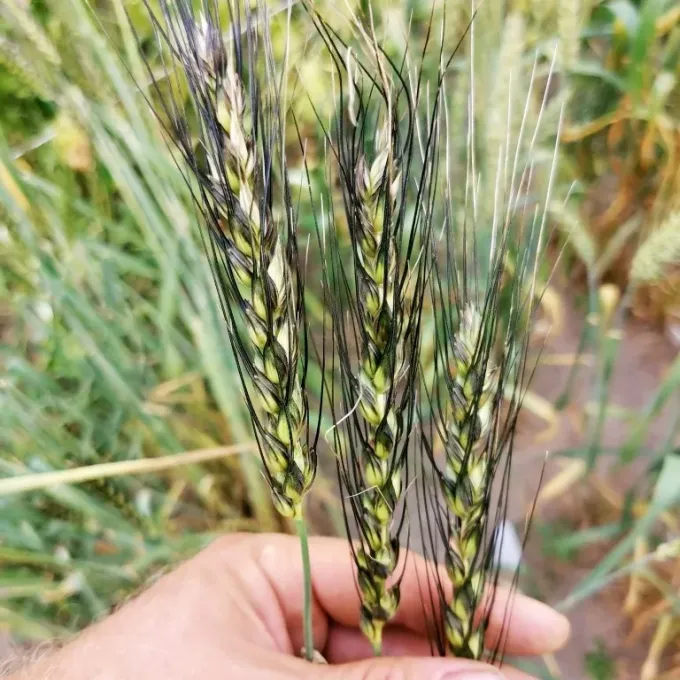
Description
Growing requirements
Persian wheat (Triticum turgidum L. subsp. carthlicum) is a tetraploid cereal crop belonging to the Poaceae family. It is an ancient grain traditionally grown in Transcaucasia, demonstrating unique genetic resilience.
The plant thrives in highland and mountainous regions where climate conditions are characterized by moderate humidity and significant seasonal temperature fluctuations.
Regarding soil requirements, this variety prefers well-drained loam soils but has shown high tolerance to poor soil quality compared to modern hexaploid bread wheat varieties.
Effective cultivation requires proper moisture during the tillering stage and sufficient sunlight for the ripening process to ensure high-quality grain formation.
Botanically, it is distinct due to its dense ears and specialized glumes that offer protection against environmental stress, which is a key trait of this ancient subspecies.
Main diseases and pests
The crop is susceptible to typical wheat fungal diseases, including leaf rust and stem rust, especially in areas with high rainfall and warm, humid conditions during the spring.
Powdery mildew is another major risk factor for Persian wheat, particularly if crop rotation practices are neglected, leading to the accumulation of pathogens in the soil.
Insect pests, such as aphids and wheat midges, can cause substantial damage to the developing head, significantly reducing the final grain yield and overall quality.
Effective pest management involves regular scouting throughout the vegetation period and the implementation of cultural practices that enhance crop vigor and stress tolerance.
Control strategies also emphasize the importance of using certified seeds treated with appropriate fungicides to prevent early-stage infection and ensure even field emergence.