
Khorasan wheat
Triticum turgidum L. subsp. turanicum (Jakubz.) Á. Löve & D. Löve
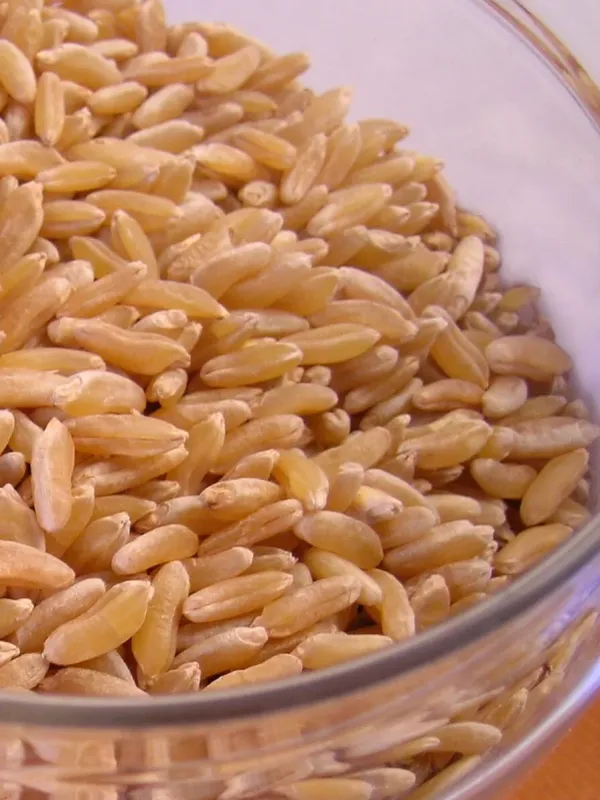
Description
Sowing dates
Khorasan wheat, taxonomically classified as Triticum turgidum L. subsp. turanicum, is typically sown in early spring to take advantage of the moisture and cooler soil temperatures.
Seedbed preparation should be thorough, as this crop thrives in well-aerated, loose soils. Proper soil moisture at the time of sowing is essential for uniform germination.
The seeding depth is generally set between 4 to 6 centimeters, depending on the soil texture. Given the larger kernel size compared to common wheat, adjustments to the seeding machinery are necessary.
Row spacing is usually kept standard to ensure enough space for root development while preventing excessive weed growth between the rows.
Early sowing helps the crop establish a robust root system before the onset of potential summer heat, which can negatively impact the final filling stage of the grains.
Growing requirements
This ancient cereal belongs to the Poaceae family and is highly adapted to semi-arid climates. It requires consistent sunlight and prefers regions with temperate conditions during the vegetative stage.
The crop is known for its tolerance to drought, largely due to its efficient water usage and deep-reaching root system, making it suitable for areas with limited water resources.
Fertile soils, such as chernozems or well-structured loams, are ideal for maximizing production. Maintaining a neutral soil pH is crucial for optimal nutrient uptake.
Excessive nitrogen fertilizer should be avoided, as it can lead to lodging, where the tall stems of the plant bend or break under their own weight.
Providing adequate potassium and phosphorus during the growth cycle supports strong stalk formation and enhances overall disease resistance.
Yield
The yield potential of Khorasan wheat is generally lower than that of modern commercial wheat varieties, which is a common characteristic of ancient, heritage grains.
However, the grain is highly valued for its superior nutritional profile, containing high levels of protein, selenium, and essential fatty acids, attracting premium market prices.
Common uses include the production of specialized flour for artisan baking, organic pasta making, and various breakfast cereals favored by health-conscious consumers.
Successful commercial production relies on harvesting high-quality grain that meets strict organic standards, often minimizing the need for heavy chemical inputs.
Despite lower yields per hectare, the economic viability is often sustained by the grain's reputation as a "superfood" with excellent flavor and digestibility.
Main diseases and pests
Common fungal diseases such as leaf rust and powdery mildew can affect the crop, particularly in seasons with high humidity and poor ventilation.
Insect pests include cereal beetles, stink bugs, and stem flies, which can damage leaves and reduce the plant's capacity for photosynthesis.
Effective management includes regular field monitoring, crop rotation, and the selection of resistant varieties to minimize the reliance on chemical pesticides.
Weed competition is a significant concern during the early growth stages, necessitating mechanical weeding or localized management to prevent yield loss.
Proactive monitoring of the crop canopy helps in identifying early signs of infection, allowing for targeted intervention before the damage becomes widespread.
Harvesting
Harvesting should be timed precisely when the grain reaches physiological maturity. Over-ripening can lead to significant shattering and grain loss in the field.
The use of combine harvesters requires specific settings to handle the large kernels carefully and prevent mechanical damage during the threshing process.
Immediate post-harvest cleaning and drying are essential to bring the moisture content down to safe levels for storage, preventing mold and spoilage.
Proper aeration in storage facilities is vital to maintain the quality of the harvested grain and protect it from common stored-grain pests.
Logistics should be carefully managed to ensure that the grain is moved efficiently from the field to storage, maintaining the integrity and purity of the batch.