
Polish wheat
Triticum turgidum L. subsp. polonicum (L.) Thell.
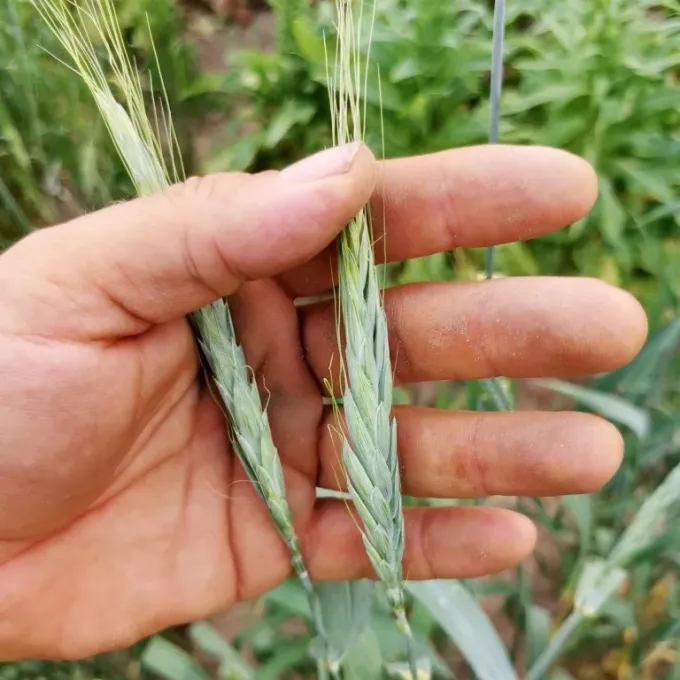
Description
Sowing dates
Polish wheat, botanically known as Triticum turgidum L. subsp. polonicum, is a fascinating member of the Poaceae family. Despite its common name, it originates from the Mediterranean region and is recognized as a primitive tetraploid wheat with distinct long glumes.
The sowing season for this crop generally follows winter wheat patterns in temperate zones. Farmers typically plant the seeds in autumn, allowing the plants to establish a robust root system before the onset of winter, which is crucial for overall productivity.
When sowing, seeds should be placed at a depth of 3 to 5 centimeters. This depth ensures stability against frost-heaving and provides enough energy for the sprout to reach the surface, leading to uniform and vigorous early growth across the field.
Planting density requires careful management to avoid overcrowding. A well-spaced stand allows for optimal tillering and improves airflow through the crop canopy, which is a vital practice for preventing humidity-related diseases in the lower stalks.
Crop rotation remains the gold standard for Polish wheat management. Rotating with legumes or nitrogen-fixing crops helps enrich the soil naturally, providing a superior foundation for the next growing season while disrupting the life cycles of common pests.
Growing requirements
Polish wheat thrives in sunny, warm environments where it can maximize its photosynthetic potential during the grain-filling stage. It prefers well-drained, fertile soil, specifically loams or silty clays, which provide the best balance for root development.
Water requirements are moderate, but moisture becomes critical during the stem elongation and heading stages. A steady supply of water during these phases ensures the development of plump, high-quality kernels, which are highly valued in premium markets.
Soil nutrient status, particularly phosphorus and potassium, is essential for structural integrity. These minerals support a thick, strong stem that can withstand environmental pressures, reducing the risk of lodging during heavy rain or wind events.
Temperature fluctuations should be monitored, as the crop requires consistent warmth to reach its physiological maturity. While it is hardy, extreme heat waves during flowering can lead to sterility in some spikelets, potentially impacting the final yield per hectare.
Providing adequate trace elements, such as zinc and magnesium, can further enhance the resilience of the crop. Modern precision agriculture allows farmers to fine-tune nutrient delivery, ensuring that the plant receives exactly what it needs for optimal development.
Yield
The yield of Polish wheat is often more modest compared to modern intensive bread wheat varieties. However, the quality of its long, amber-colored kernels is exceptional, making it a highly desirable grain for artisanal baking and specialty food markets.
This species is celebrated for its unique starch composition and high protein content. These characteristics provide superior properties for pasta production and high-end confectionery, where texture and dough elasticity are of paramount importance.
Economically, Polish wheat is often positioned as an ancient grain, commanding a premium price compared to standard wheat. This market positioning allows producers to achieve high profitability despite lower total volumes, making it an attractive crop for niche growers.
The culinary applications extend to specialized flours that are preferred by health-conscious consumers and professional chefs. Its distinct nutty flavor profile makes it a standout ingredient in gourmet bread recipes and traditional flatbreads.
Strategic investment in soil health and advanced management practices can help push yield boundaries. By focusing on quality over quantity, farmers can build a sustainable and lucrative enterprise around this unique and historic cereal crop.
Main diseases and pests
Common threats to Polish wheat include fungal diseases such as leaf rust and powdery mildew. These pathogens thrive in stagnant air and high humidity, making proactive field management and early intervention with fungicides essential for protection.
Pests like the cereal beetle and various aphids can cause significant damage during the sensitive grain-filling period. These insects feed on the spikes, which can reduce test weight and decrease the overall market value of the harvested grain.
Integrated Pest Management (IPM) is the most effective approach for protecting Polish wheat. By monitoring field thresholds and using targeted biological or chemical controls, growers can minimize damage while preserving the ecological health of the farmland.
Prevention is the best strategy for avoiding head blight and other soil-borne diseases. Using certified, high-quality seed treatments ensures that the crop gets off to a healthy start, effectively shielding it from early-season threats that could stifle growth.
Weed competition should be strictly controlled, particularly in the first few weeks of growth. Using effective, selective herbicides or mechanical weeding ensures that the wheat plants have exclusive access to available sunlight and soil nutrients.
Harvesting
Harvesting Polish wheat requires precision and timing, typically conducted when the grain moisture reaches the 14–15 percent mark. Waiting too long can lead to shattering, where the grain falls from the spikes, causing significant yield losses.
When operating a combine harvester, adjustments must be made to the threshing cylinder to account for the unique morphology of the long glumes. Careful settings minimize kernel breakage, ensuring that the high-quality product remains intact for the consumer.
Post-harvest processing includes thorough cleaning and immediate drying. Removing debris and excess moisture is vital for preventing post-harvest spoilage, such as mold growth or insect infestations, which could otherwise jeopardize the entire seasonal yield.
Effective grain storage requires a temperature-controlled environment with adequate ventilation. Keeping the grain dry and cool prevents the degradation of its nutritional and baking properties, allowing it to maintain its premium status throughout the storage period.
The final step of the agricultural cycle is the sorting and grading of the grain. High-quality Polish wheat, once properly cleaned, meets the stringent requirements of high-end millers, who look for consistent color, size, and protein profiles.