
Indian dwarf wheat
Triticum aestivum L. subsp. sphaerococcum (Percival) Mackey
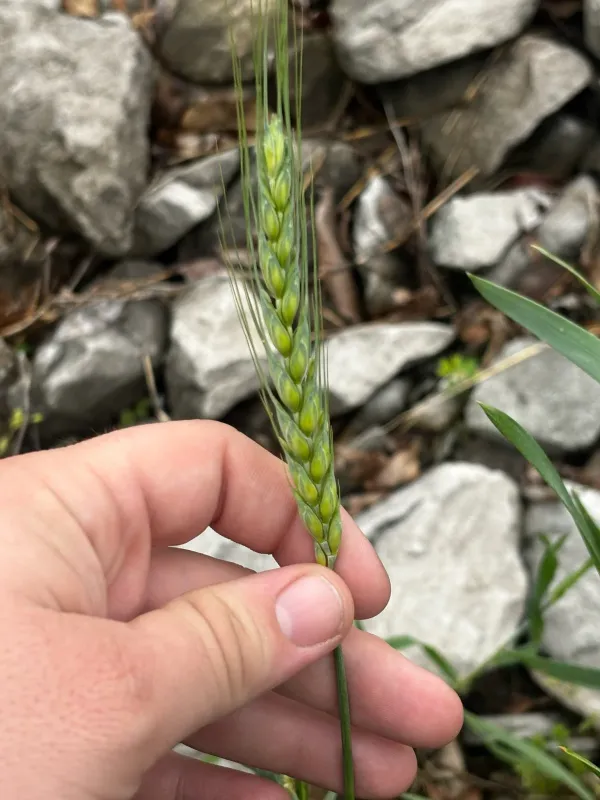
Description
Sowing dates
Indian dwarf wheat is typically cultivated as a spring crop, with sowing timing adjusted to early spring once soil temperatures reach 5-8 degrees Celsius.
The optimal sowing window is critical for establishing a robust root system and ensuring that the plant matures before the onset of extreme heat.
Seeds are placed at a depth of 4-6 centimeters to ensure consistent moisture uptake, which is vital for the germination of this specific subspecies.
Precise seed density management is required, as overcrowding significantly increases the risk of lodging in this short-stemmed cereal.
Sowing in well-prepared, friable soil provides the best start, minimizing competition from weeds during the early vegetative stages.
Growing requirements
This crop thrives in arid to semi-arid climates, demonstrating a remarkable tolerance for heat and dry conditions compared to common bread wheat.
It prefers fertile loam or sandy-loam soils that offer excellent drainage, as the species is sensitive to waterlogging and poor soil aeration.
The wheat requires full sun exposure and long-day conditions to complete its life cycle effectively, reflecting its evolutionary origin in the Indian subcontinent.
Balanced fertilization, particularly with potassium and phosphorus, is essential to support the development of its characteristic dense spikes.
Effective weed control is a cornerstone of its agronomy, as the slow early growth of the wheat can be compromised by aggressive weed infestation.
Yield
The yield of Indian dwarf wheat is generally modest compared to modern high-input bread wheat varieties due to its shorter stature and compact ears.
Productivity is limited by the physical size of the grain head, although the grain itself often exhibits high protein content and good processing quality.
Yield stability is a notable trait of the species, as its short growing season helps it evade terminal drought during the grain-filling phase.
Under controlled irrigation and optimal management, yields can be significantly improved, showcasing the plant's true genetic potential.
In modern breeding, the species is highly valued for its genes related to short height, which have been widely used in global wheat improvement programs.
Main diseases and pests
Fungal diseases, especially rusts like stem rust and leaf rust, represent the most significant biological threat to this species in its traditional growing areas.
Powdery mildew can also pose a risk during periods of high humidity, necessitating careful observation and preventative field management.
Pests such as aphids and cereal beetles are common, capable of causing localized damage that impacts both biomass and final grain yield.
Integrated Pest Management (IPM) strategies, including the use of resistant lines and timely chemical interventions, are recommended for maintaining healthy crops.
Crop rotation with non-host species is strongly advised to prevent the buildup of soil-borne pathogens and insect larvae in the field.
Harvesting
Harvesting is executed at full maturity when grain moisture drops to acceptable levels, typically between 13 and 15 percent.
Given the round shape and compact nature of the spikes, combine settings must be calibrated carefully to avoid damaging the grain during threshing.
Timely harvest is paramount to prevent pre-harvest shedding, particularly in environments where high winds or sudden weather shifts are common.
Post-harvest handling involves thorough cleaning and rapid drying to ensure the grain remains viable for milling or seed purposes.
Proper storage conditions, characterized by low humidity and temperature control, are essential to protect the quality of the harvested produce.